

When we are browsing the aisles of any health food store and see rows upon rows of nutritional supplements, we often have an assumption in our heads; that what is on the label is exactly what is in the supplement. We assume that the dosage stated is true to the dosage in the product, that the supplement is safe and effective, and that there isn’t anything within the product that could harm us.
Unfortunately, this isn’t the case.
The supplement industry is not regulated. Products do not have to contain what they say they contain, they do not have to give the dosage they say they give, and they can contain things which aren’t labelled on the bottle. And we can’t do anything about it.
Creatine: the James Smith Case Study
You’ve probably seen the creatine series James Smith PT has been doing on his social medias- one which has caused a frenzy in nutrition circles around the world.
James independently tested various brands of creatine gummies- a popular way to get creatine, which many manufacturers proudly announce that you can get the same amount of creatine as from a scoop of the powder itself, in a convenient and delicious package.
The reality?
All gummies were found to have less than the stated dose of creatine- in fact, many had no creatine in them whatsoever.
The worst part?
Many of these gummies have been third-party tested; the seeming “gold-standard” for supplements. Essentially, third party testing is recommended for all supplements you try to guarantee that they contain what they say they contain. What does this mean? Essentially, we can’t trust third party testing in all scenarios. These supplement gummies went through the gold standard of testing, and it turns out, they don’t contain what they say they contain.
Kids Nutritional Supplements Are Affected Too; The Addition of Prescription-Only Medications into Children’s Sleep Gummies
It’s one thing for a supplement to not contain the nutrient it says it contains. It means the supplement is a waste of money, sure, but it won’t actively harm you.
Perhaps most egregious are the incidences where a supplement contains a compound or medication which is not declared- made even more concerning when we consider that some of these supplements are being given to children.
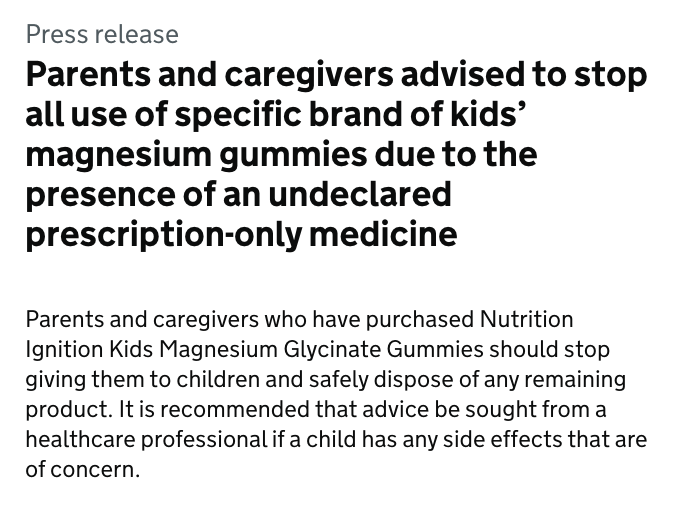
The Medicines and Healthcare products Regulatory Agency released this urgent product recall on the 18th August, alerting parents that a brand of magnesium gummies that they may have bought for their children contained between 3 and 3.4mg of melatonin per serving. This was not declared on the product label, and as melatonin is prescription-only in the UK, is illegal.
The dose found within these gummies is a therapeutic dose- with the recommended starting dose for children who have been prescribed melatonin due to complex sleep disturbances being 1mg, with a maximum dose of 5mg.
This means parents may have unknowingly been giving their children more than half of the maximum dose of melatonin every day, thinking the medication was helping their kids.
The Issue is Widespread; Heavy Metal Contamination in Protein Powders
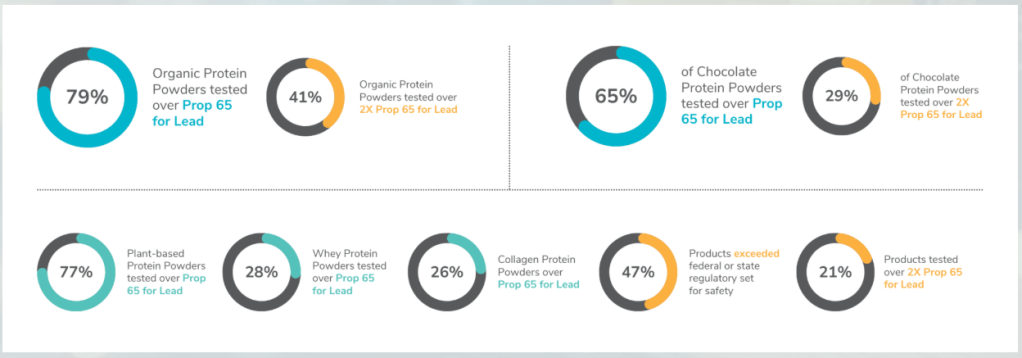
Not even protein powders are safe; the Clean Label Project tested 165 different protein powders and found many which exceeded recommended intake levels for various heavy metals including lead and cadmium. Again, something which isn’t regulated within the supplement industry.
These case studies show the widespread impact of no regulation on nutritional supplements. Many contain things that they don’t declare (including medications, heavy metals, and contaminants including mould or bacteria), many don’t contain what they say they do, and overall, we don’t know what we are getting.
Ultimately, the best we can do is use a third-party tested nutritional supplement, rather than one without third-party testing; but even that isn’t infallible.
Be aware of nutritional supplements. Be critical over what you are taking. It might not be as simple as taking any old supplement.
Photo credit: UnSplash with thanks.
 Diets Debunked