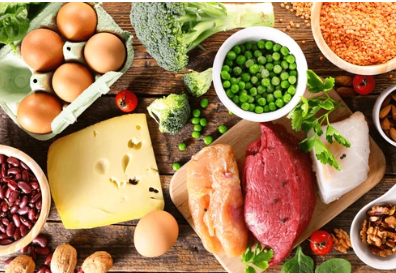
What if I told you that there was a condition where people cannot have protein as you or I have it? To the point where they can’t have regular bread and pasta, let alone any overt protein sources like meat, eggs, dairy, fish, or veggie sources like beans and lentils. This is Phenylketonuria.
What is PKU?
Phenylketonuria, more commonly known as PKU, is a rare but serious inherited metabolic disorder. People with PKU lack an enzyme called phenylalanine hydroxylase (PAH). This enzyme’s job is to break down an amino acid called phenylalanine, which is found in many high-protein foods.
In a non-PKU person, this enzyme will convert the phenylalanine to tyrosine, another amino acid. When this process can’t occur, the phenylalanine will build up in the blood with nowhere to go.
As phenylalanine is a large, neutral amino acid, it will saturate all of the large neutral amino-acid transporters in the body; including the ones that transport these amino acids across the blood brain barrier. This means that no other large, neutral amino acids (like tyrosine and tryptophan) can get into the brain, as the phenylalanine is saturating all of the transporters. This leads to a deficiency in all of these amino acids within the brain, which can cause a whole host of permanent and life-limiting symptoms.
What are the Symptoms of PKU?
Without proper management, PKU can cause a wide range of symptoms. These may include:
- Severe cognitive impairment and Learning Disability
- Behavioural problems
- Emotional difficulties
- Seizures
- Musty body odour (due to excess phenylalanine)
- Skin conditions like eczema
If a child is not diagnosed at birth, or if they are diagnosed but the correct diet is not followed, all of the above are a very real possibility. Some of the symptoms above will become permanent if treatment is not commenced.
A life-long, low protein diet is essential for people with PKU. Once the brain has developed, developing a Learning Disability will not occur; however, it is still essential for mental health and cognitive function that a diet is maintained.
People who go off diet during adulthood report severe anxiety, depression, issues with concentrating and more; equally, there may be some further physical effects like an increased risk of heart disease and osteoporosis.
How does PKU occur?
PKU is passed down through families. Both parents must carry the faulty gene for a child to inherit the condition. It’s an autosomal recessive disorder, meaning you need two copies of the gene to develop PKU.
Luckily, PKU is usually picked up early through newborn screening. Within the first few days after birth, babies undergo a heel-prick test. If PKU is detected, treatment starts almost immediately.
The Importance of Early Detection
Catching PKU early is critical. If left unmanaged, high phenylalanine levels can cause irreversible brain damage. Babies may seem fine at birth, but without intervention, developmental delays and intellectual disabilities soon emerge. Starting dietary treatment in infancy can prevent these outcomes altogether.
How do we manage PKU?
The foundation of PKU management is diet. People with PKU must drastically limit foods that are high in phenylalanine — particularly proteins like meat, dairy, fish, eggs, beans, pulses, lentils and other vegetarian/ vegan protein sources, and even some vegetables and grains.
Phenylalanine is found in all protein sources. So to keep levels safe, patients follow a strict low-phenylalanine diet which involves strict avoidance of all protein sources, monitored by a metabolic dietitian.
So what can someone with PKU even eat?
Thankfully, there are many low-protein or protein-free alternatives available today. The diet typically includes:
- Specially formulated low-protein bread, pasta and milk
- Fruits and most vegetables (which are naturally low in protein)
- Sugary or starchy snacks like crisps and some sweets, with no protein in them.
- Medical protein formula to meet protein needs without phenylalanine
This medical formula provides essential amino acids, vitamins, and minerals. Without it, nutritional deficiencies are almost guaranteed.
Sample Day of Eating for Someone with PKU
Here’s what a typical day might look like:
| Meal | Food |
|---|---|
| Breakfast | Low-protein toast with jam, fruit, medical formula drink |
| Snack | Apple slices with a low-protein biscuit |
| Lunch | Low-protein pasta with tomato sauce, cucumber, medical drink |
| Snack | Jelly sweets or crisps |
| Dinner | Stir-fried vegetables with rice, low-protein bread |
| Before Bed | Final medical formula of the day |
Challenges of Sticking to the diet
Let’s be honest — it’s not easy. The PKU diet is incredibly restrictive. Eating out, going to school, or attending social events can be difficult, as pretty much all foods in restaurants, at parties or social events will have protein of some form. And because PKU is lifelong, it can feel isolating, especially for teens and adults.
Support is crucial. Many families rely on PKU communities, social media groups, and patient networks to share tips, recipes, and emotional support.
What Happens When the Diet is Ignored
Skipping the diet isn’t harmless. High phenylalanine levels can cause:
- Brain damage or decline in cognitive function
- Depression or anxiety
- ADHD-like symptoms
- Loss of skills (in extreme cases)
- Developmental delays in children
Even adults who’ve been stable for years can experience a decline in mental sharpness if they stop following the plan.
But Does This Need to be The Case Forever?
Enter Kuvan; a revolutionary medication which has allowed many people with PKU to eat food which contains protein. Kuvan works by boosting the function of the defective PAH enzyme, helping the body break down phenylalanine more effectively.
For those it works for, it is life changing. They can go from a small amount of natural, dietary protein (often less than 10g per day) to being able to have 50, 60, 70g protein with no ill effects on their blood levels of phenylalanine. This allows food freedom never been allowed before for them, giving them the ability to have a burger with friends or some pasta with their family. It reduces the reliance on Phe-free formula, and reduces the need for specialist low protein breads and pastas. It allows freedom. Whilst protein intake still has to be monitored, alongside blood phenylalanine levels, it does allow more flexibility for PKU patients.
Unfortunately, it doesn’t work for everyone. Around 30-50% of people with PKU respond to Kuvan; meaning that 50-70% of people don’t. For those individuals, further research is being undertaken to see if we can find the best approach to allow them to have less severe dietary restrictions.
Future Therapies and Research
There’s exciting research on the horizon. Scientists are investigating:
- Gene therapy to correct the faulty PAH gene
- Enzyme substitution treatments
- mRNA therapies
Although not yet widely available, these therapies may one day change how we manage PKU altogether.
Final Thoughts
PKU may be rare, but it’s manageable. With early detection, dietary care, and — in some cases — medication, people with PKU can live healthy, normal lives. Education is key, not just for those with PKU but for families, schools, and communities.
Let’s keep the conversation going — and debunk the idea that people with PKU can’t enjoy good food or a good life.
Photo credit: Shutterstock with thanks.
 Diets Debunked