
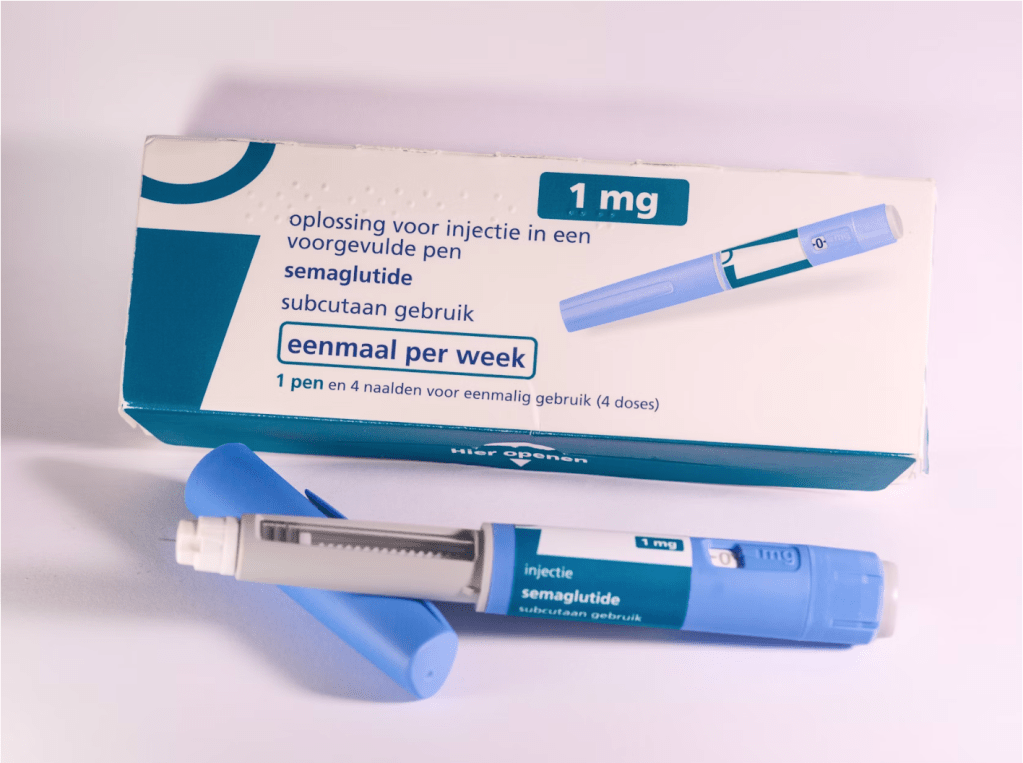
GLP-1 agonist medications, like Wegovy, Ozempic, Mounjaro and more, have exploded in popularity over the past few years, and it’s easy to see why; people are achieving weight loss like nothing else whilst taking them, and it feels easy, almost effortless. These medications are amazing for so many people, and can make losing weight achievable for many who thought it was a pipe-dream.
Many people are taking these meds and not necessarily thinking about their nutrition; but the reality is, nutrition is just as important when taking these meds because not being aware of your nutrition can lead to serious side effects. Let’s talk about them.
What Even Are GLP-1 Medications?
First off, we need to know exactly how GLP-1 medications work. GLP-1 stands for glucagon-like peptide-1. Essentially, they mimic the hormone GLP-1 in the body, naturally enhancing its effect.
GLP-1 is known for helping with satiety; it slows down your digestion, and prevents the food activation centres of your brain being activated.
Essentially, it keeps you full and prevents hunger from occurring; however, it doesn’t just do this. Many people who take it report it also prevents them from emotional or environmental eating by getting rid of the “food noise” they experience. This is life changing for many, as battling this previously is often really hard.
So What Do We Have To Worry About Then?
Whilst it is great that GLP-1’s can regulate your appetite, it often can lead to a swing too much in the other direction. It isn’t uncommon for people to feel very apathetic towards food, eating less than 1000kcals/day. When they do eat, they eat what they always previously did, just less of it; often lower in protein, fibre, vitamins and minerals. The issues with this are numerous:
- “Ozempic face”– you’ve probably seen people looking very gaunt and unwell whilst on GLP-1’s; that’s because they aren’t getting enough protein to maintain muscle mass. You aren’t just losing fat; you’ll lose muscle too, which can lead to that gaunt or frail appearance.
- GI issues– constipation, diarrhoea, gas and bloating, you name it; GLP-1’s can cause it. Not eating enough fibre can make this worse.
- Malnutrition- a reduction in calories means less calories to be able to get your nutrition in. Nutritional deficiencies such as iron deficiency can therefore become more common.
What We Can Do About It
Protein
Protein is absolutely crucial when you’re on GLP-1 medications, as it helps maintain your muscle mass, keeps you feeling full, and supports your overall health.
How to Get More Protein:
- Breakfast of Champions: Start your day with a protein-packed breakfast. How about some Greek yoghurt, eggs, or a smoothie with a scoop of protein powder?
- Smart Snacking: Opt for snacks that are high in protein, like a handful of nuts, a bit of cheese, or some hummus with veggie sticks.
- Balanced Meals: Make sure each meal has a good source of protein. Think lean meats, fish, tofu, or legumes.
Fibre: The Unsung Hero
Fibre can help prevent constipation, diarrhoea, gas and bloating, and also really helps you maintain a healthy gut microbiome.
How to Get More Fibre:
- Whole Grains: Swap out white bread and pasta for whole grain versions. Wholegrain breakfast cereals and ancient grains, alongside oats, are also fantastic for this.
- Fruits and Veggies: Aim to include a variety of fruits and vegetables in your meals. They’re not just packed with fibre but also loads of other essential nutrients.
- Legumes and Beans: Add beans, lentils, and pulses to your diet for a huge fibre boost.
- Nuts and Seeds: Seeds like flax and chia are loaded with fibre, and nuts provide a huge boost of nutrition too.
Little and Often: The Way to Go
One of the common side effects of GLP-1 medications is feeling full quickly. This can make it a challenge to get all the nutrients you need in one sitting. The solution? Eat little and often.
Tips for Eating Little and Often:
- Smaller Portions: Instead of three large meals, opt for smaller, more frequent meals throughout the day.
- Nutrient-Dense Foods: Choose foods that are packed with nutrients. Think avocados, nuts, seeds, and lean proteins.
- Stay Hydrated: Sometimes, thirst can be mistaken for hunger. Make sure you’re drinking plenty of water throughout the day.
Keep an Eye Out for Malnutrition
While GLP-1 medications can be incredibly beneficial, they can also increase the risk of malnutrition if you’re not careful. Here are some signs to watch out for:
- Unexplained Weight Loss: While weight loss is often a goal, losing weight too quickly or without trying can be a red flag.
- Fatigue: Feeling constantly tired or weak can be a sign that you’re not getting enough nutrients.
- Hair Loss: This can be a sign of protein deficiency.
- Frequent Illness: If you’re getting sick more often, it could be a sign that your immune system is weakened due to poor nutrition.
If you notice any of these signs, it’s really important to speak with your GP or a dietitian. We can help you tweak your diet to make sure you’re getting all the nutrients you need.
Eating well on GLP-1 medications is all about finding that balance and making smart choices. Focus on getting enough protein and fibre, eat little and often, and keep an eye out for any signs of malnutrition. And remember, it’s always a good idea to have a chat with a dietitian or healthcare provider to tailor a plan that’s just right for you.
Photo source: UnSplash with thanks.
 Diets Debunked