
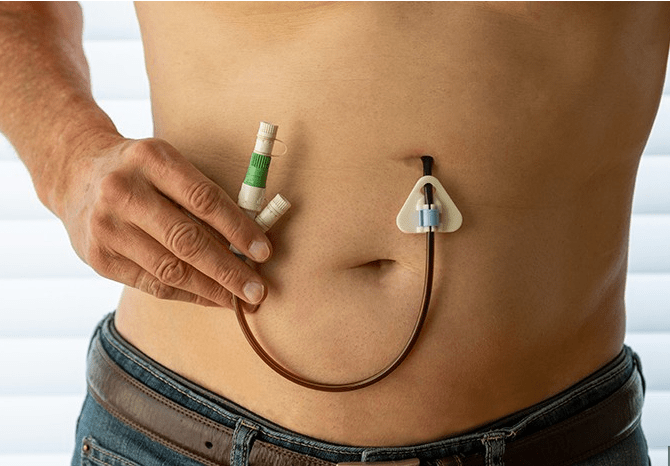
Picture this: you can’t enjoy a meal, sip a drink, or even swallow your own saliva. For many people, this is a daily reality due to various medical conditions. Enter enteral feeding, a lifeline that provides essential nutrients directly to the digestive system, bypassing the need to swallow. Let’s explore what enteral feeding is, the different types available, and why someone might need it.
What is Enteral Feeding?
Enteral feeding, or tube feeding, is a way to deliver nutrition directly into the gastrointestinal tract. This method is used when someone can’t consume food or liquids orally, or when what they can eat isn’t enough to meet their nutritional needs. Think of it as a direct route for nutrients to enter the body, ensuring it gets the fuel it needs to function and heal.
Types of Enteral Feeding
There are several types of enteral feeding, each designed to suit different medical conditions and patient needs. Here are the main types:
Nasogastric (NG) Tube Feeding
An NG tube is a thin, flexible tube inserted through the nose, down the throat, and into the stomach. It’s typically used for short-term nutritional support, often in hospitals. NG tubes are relatively easy to insert and remove, making them a common choice for patients who need temporary feeding assistance. They do have their dangers however; they can curl up into the lungs which, if fed through, can lead to asphyxiation, or if you have a base of skull fracture, they can enter the brain and feed can get in there- both of which are catastrophic “never events” in the NHS. We check the position of the tubes by pulling up some of the fluid and testing its pH; if it’s acidic, it’s in the stomach; if not, we need to do an X-Ray to confirm its position before feeding.
Nasojejunal (NJ) Tube Feeding
Similar to an NG tube, an NJ tube is inserted through the nose and down the throat. However, it extends further into the jejunum, the second part of the small intestine. This type of feeding is used when there’s a need to bypass the stomach, such as in cases of gastric motility disorders, like gastroparesis, or severe acid reflux. Again, similar risks can present themselves with an NJ tube; however, we can’t check positioning with aspirating stomach contents, as the jejunum does not contain stomach acid.
Percutaneous Endoscopic Gastrostomy (PEG) Tube Feeding
A PEG tube is inserted directly into the stomach through the abdominal wall using an endoscopic procedure. Essentially, a patient is sedated and an endoscope is fed through the mouth and into the stomach. It’s filled with air and a light is turned on on the end of the endoscope so the surgeon can see where to cut. They cut a hole through the abdomen and into a stomach, and insert a permanent tube which can be fed through. This type of feeding is suitable for long-term nutritional support and is commonly used for patients who require enteral feeding at home. PEG tubes are more comfortable and less obtrusive than nasal tubes, making them a preferred option for extended use.
Percutaneous Endoscopic Jejunostomy (PEJ) Tube Feeding
A PEJ tube is similar to a PEG tube but is inserted into the jejunum instead of the stomach, like the NJ tube. This type of feeding is used when there’s a need to bypass the stomach entirely, such as in cases of severe gastric dysfunction or after certain types of gastrointestinal surgery.
Why Might Someone Need Enteral Feeding?
There are numerous medical conditions and situations that may necessitate enteral feeding. Here are some of the most common reasons:
Neurological Disorders
Conditions such as stroke, traumatic brain injury, and neurodegenerative diseases like ALS and Parkinson’s disease can impair swallowing function (dysphagia). Enteral feeding ensures that individuals with these conditions receive adequate nutrition and hydration.
Gastrointestinal Disorders
Diseases and disorders affecting the gastrointestinal tract, such as Crohn’s disease, ulcerative colitis, and gastrointestinal cancers, can interfere with the body’s ability to absorb nutrients. Enteral feeding can provide the necessary nutrients directly to the digestive system, bypassing affected areas.
Critical Illness
Patients in intensive care units (ICUs) often require nutritional support to aid in their recovery. Enteral feeding is a common method of providing nutrition to critically ill patients who are unable to eat or drink orally.
Surgical Recovery
After certain types of surgery, particularly those involving the head, neck, or gastrointestinal tract, patients may be unable to consume food or liquids orally. Enteral feeding can support nutritional needs during the recovery period.
Eating Disorders
In severe cases of eating disorders, such as anorexia nervosa, enteral feeding may be necessary to restore nutritional status and prevent life-threatening complications.
Paediatric Conditions
Infants and children with congenital abnormalities, premature birth, or other medical conditions that affect their ability to feed orally may require enteral feeding to support growth and development.
Enteral feeding is a vital medical intervention that provides nutritional support to individuals who are unable to consume food or liquids orally. With various types of feeding tubes available, healthcare professionals can tailor enteral feeding to meet the specific needs of each patient. Whether for short-term recovery or long-term management of chronic conditions, enteral feeding plays a crucial role in maintaining health and promoting healing. It’s a testament to modern medicine’s ability to adapt and provide care in even the most challenging circumstances.
Photo credit: Clinic for Digestive Surgery, with thanks.
 Diets Debunked