
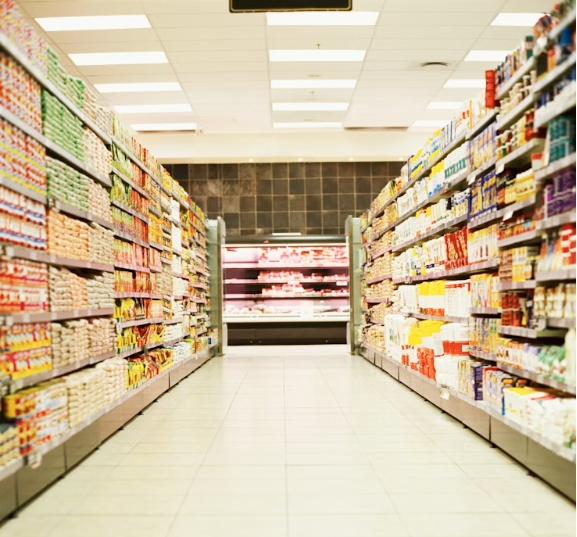
Food deserts. A very real thing which can leave vulnerable people no choice but to rely on ultra-processed, fast food, increasing their health risks and damaging their wallets. Let’s talk about them.
What on Earth is a Food Desert?
Imagine living in an area where it’s really tough to find fresh fruits and veggies, decent cuts of meat and fish; essentially, difficult to find nutritious food. That’s essentially what a food desert is; a place where people struggle to get their hands on affordable and nutritious food because there aren’t any supermarkets or farmers’ markets nearby. The local shops tend to be takeaways, fast food restaurants, corner shops and convenience stores, where very few nutritious foods are sold. Essentially, that is a food desert.
Food deserts can be of varying sizes, and people living in the same area can have different experiences depending on their mobility or ability to travel. Essentially, some places are food deserts for some and not others, as some have cars or can move around, whereas others have to rely on public transport, which may be sporadic or non-existent.
Where Do Food Deserts Pop Up in the UK?
Food deserts are typically thought of as being in the middle of nowhere, where it’ll take 30-60 minutes to get to the nearest supermarket; but that’s not the only place food deserts occur. In fact, many food deserts in the UK are found in low-income neighbourhoods and deprived areas in cities, like London and Glasgow.
Really, it’s reflective of income disparities when it comes to cities. Think about the affluent areas of your local cities; perhaps Chelsea or Westminster in London. There, supermarkets, greengrocers, cafes providing more nutritious foods and others are abundant. Then, think about the less affluent areas- people there often have to travel for miles on public transport in order to reach a proper supermarket.
The Impact on What We Eat
Living in a food desert can really mess with what people eat and their overall health. When fresh, healthy food is hard to come by, people end up eating more of the convenience foods that are everywhere. These foods are often packed with calories but don’t have the good stuff our bodies need, leading to diets that can cause obesity, diabetes, heart disease, and other health problems.
Obesity and Long-Term Health Issues
Not having easy access to healthy food is a big reason why so many people are struggling with obesity. And obesity, as we know, can lead to all sorts of long-term health issues like type 2 diabetes, heart disease, and even certain types of cancer. It’s a vicious cycle that’s hard to break, especially when healthy food isn’t easily available.
Mental Health
What we eat also affects our mental health. Diets full of processed foods and sugars can make depression and anxiety worse. On the other hand, eating lots of fruits, veggies, and whole grains can actually make us feel better mentally. So, not having access to good food can make mental health problems even worse in these communities.
What Can We Do About It?
Fixing the problem of food deserts isn’t easy, but it’s not impossible. It’s going to take a mix of government action, community efforts, and individual changes. Here are some ideas:
Government Action
The government really needs to step in here. They can offer incentives for supermarkets to open in areas that need them, make fresh produce cheaper, and support local farmers’ markets. Also, when planning new neighbourhoods, they should make sure there are grocery stores nearby. Equally, making public transport easier to come by will also go a long way in helping get access to food for individuals who are affected by food deserts.
Community Efforts
Community gardens and food co-ops are great ways to get fresh produce into these areas. They not only give people access to healthy food but also bring the community together. Local groups can also teach people about nutrition and healthy eating.
What You Can Do
Even on an individual level, there are things you can do. If you live in a food desert, maybe you can organise trips with your neighbours to supermarkets outside your area. Or, if you’ve got a bit of space, try growing your own fruits and veggies. It’s easier than you think and can be really rewarding!
Food deserts are a big, complicated issue, but if we all work together, we can make a difference. By understanding the problem and taking action, we can help make sure everyone, no matter where they live, has access to the healthy food they need to live a good life.
Together, we can make sure no one gets left behind when it comes to good food.
Photo credit: UnSplash with thanks.
 Diets Debunked