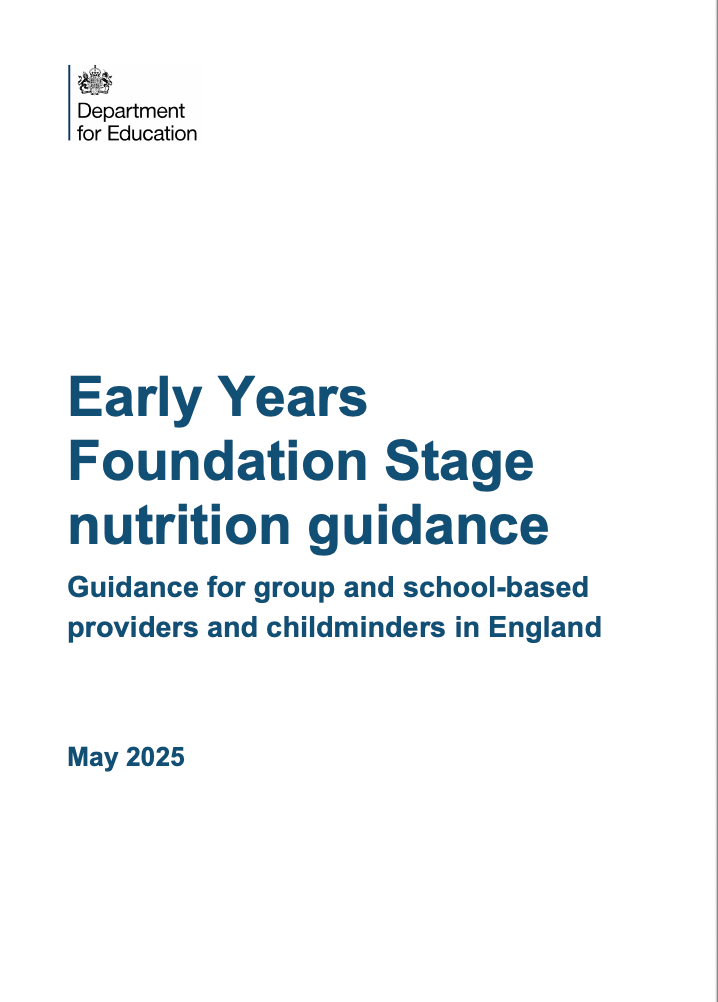
The UK government’s Early Years Foundation Stage (EYFS) Nutrition Guidance (May 2025) provides detailed recommendations to ensure children aged 0-5 receive healthy, balanced, and nutritious meals when being cared for by nurseries, childminders or other non-home based providers. Below, I explore the key recommendations for each life stage, from birth to five years, and highlight the importance of fostering lifelong healthy eating habits.
Nutrition Guidance from Birth to 1 Year
Babies Aged 0-6 Months
During the first six months, babies should be exclusively breastfed where possible. Breastfeeding is recommended for around the first six months, with continued breastfeeding alongside solid foods thereafter. Early years providers should support breastfeeding mothers by offering a comfortable space for feeding and encouraging the provision of expressed breast milk.
For babies who are not breastfed, first infant formula (first milk) is the only suitable alternative unless prescribed otherwise by a doctor. Strict hygiene practices must be followed when preparing formula, including sterilising bottles and using water boiled and cooled to at least 70°C to eliminate harmful bacteria.
Key recommendations:
- Feed responsively, recognising hunger cues (e.g., mouth opening, turning head towards the bottle) and fullness cues (e.g., pushing the bottle away).
- Never force a baby to finish a feed.
- Follow NHS guidelines for safe formula preparation and storage.
Babies Aged 6-12 Months: Introducing Solid Foods
Weaning should begin around six months, when babies can sit upright, coordinate hand-to-mouth movements, and swallow food. Solid foods should complement breast milk or formula, not replace it.
First foods to introduce:
- Start with simple vegetable or fruit purées (e.g., broccoli, cauliflower, spinach) to encourage acceptance of varied flavours.
- Gradually introduce mashed and finger foods (e.g., soft-cooked carrot sticks, banana batons) to develop chewing skills.
- Avoid adding salt, sugar, or honey (which is unsafe before 12 months).
Foods to avoid:
- Choking hazards (e.g., whole nuts, popcorn, raw jelly cubes).
- High-sugar, high-salt, or high-fat foods (e.g., cakes, crisps).
- Unpasteurised cheeses and raw eggs (unless bearing the British Lion Quality mark).
Drinks:
- Only breast milk, infant formula, or water should be offered.
- Avoid follow-on formulas or toddler milks unless advised by a health professional.
Daily feeding patterns:
- 7-9 months: 3 meals (breakfast, lunch, dinner) plus milk feeds.
- 10-12 months: 3 meals (each with a main and additional dish) plus milk feeds.
Nutrition Guidance for Children Aged 1-5 Years
A Healthy Plate
Children should eat a varied diet from the four main food groups:
- Fruit and vegetables – At least one portion per meal, avoiding dried fruit as a snack.
- Starchy carbohydrates – Wholegrain options (e.g., wholemeal bread, brown rice) at least once a week.
- Dairy or fortified alternatives – Three portions daily (e.g., milk, unsweetened yoghurt).
- Proteins – Include beans, pulses, eggs, fish, and lean meat, with oily fish (e.g., salmon) at least once every three weeks.
Foods to limit or avoid:
- High-sugar cereals, flavoured yoghurts, and processed meats (limit to once a week).
- Sugary drinks (only water and plain milk should be offered).
- Foods high in saturated fat, salt, or sugar (e.g., biscuits, chocolate).
Portion Sizes
Portions should be child-sized (roughly the size of a child’s clenched fist). Avoid pressuring children to finish meals or using food as a reward.
Menu Planning and Special Dietary Needs
Key Considerations for Menus:
- Plan weekly menus to ensure variety and balance.
- Introduce seasonal foods and rotate dishes to avoid repetition.
- Share menus with parents, including allergen information.
Managing Allergies and Intolerances
- Common allergens include milk, eggs, peanuts, and gluten.
- Action plans must be in place for children with allergies, including emergency procedures.
- Avoid cross-contamination by using separate utensils and preparation areas.
Cultural and Religious Diets
Respect dietary requirements linked to faith (e.g., halal, kosher) or personal choice (e.g., vegetarianism, veganism). Engage with parents to understand individual needs.
Cost-Effective and Safe Food Practices
Budget-Friendly Tips:
- Cook from scratch using affordable staples (e.g., lentils, frozen vegetables).
- Batch-cook and freeze meals to reduce waste.
- Use seasonal produce and value-brand staples.
Food Safety:
- Store food correctly to maintain freshness.
- Follow hygiene guidelines when handling and preparing meals.
Conclusion
The EYFS nutrition guidance emphasises the importance of healthy, balanced meals tailored to each developmental stage. By following these recommendations, early years providers can support children’s growth, reduce health inequalities, and establish positive eating habits for life.
For further details, refer to the full EYFS Nutrition Guidance.
*This blog post is based on the UK government’s *Early Years Foundation Stage Nutrition Guidance* (May 2025). Always consult the latest official guidelines for updates.*
 Diets Debunked