

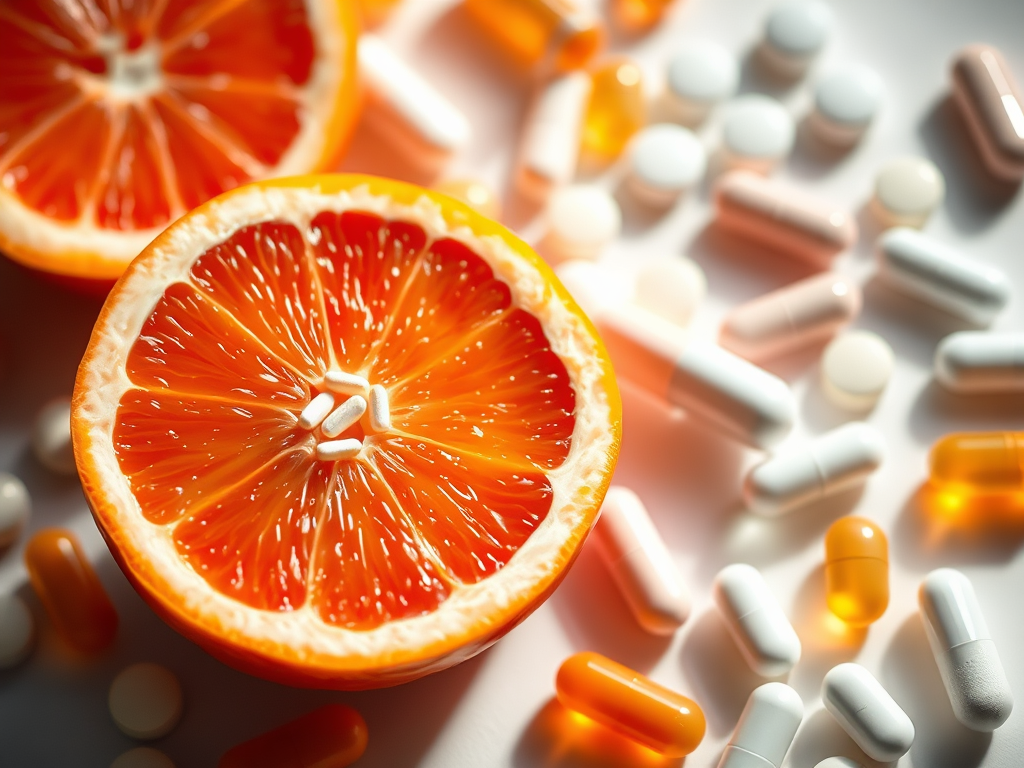
Food can directly impact your ability to process medication, which can have disastrous consequences. One of the most surprising yet significant interactions involves grapefruit and certain other citrus fruits. These fruits contain compounds called furanocoumarins, which can interfere with how your body metabolises certain drugs. This interaction can lead to serious health risks, making it crucial to understand why it happens and which medications are affected.
How Furanocoumarins Impact Medication Metabolism
Furanocoumarins are natural chemicals found in grapefruit, Seville oranges, pomelos, and some other citrus fruits. They work by inhibiting an enzyme in your body called cytochrome P450 3A4 (CYP3A4), which is responsible for breaking down many medications in the liver and small intestine.
When you consume grapefruit or its juice, furanocoumarins block this enzyme, preventing the proper breakdown of certain drugs. As a result:
The medication stays in your system longer. Blood levels of the drug can become dangerously high. This increases the risk of side effects or toxicity.
Even a single glass of grapefruit juice can have this effect, and the inhibition can last for up to 72 hours, meaning the interaction isn’t just immediate but can persist long after consumption.
Why This Is Dangerous
When a drug isn’t metabolised correctly, its concentration in the blood can rise to unsafe levels. This can lead to:
- Severe side effects (e.g., dizziness, nausea, muscle damage, or irregular heartbeat).
- Increased risk of overdose, even at normal prescribed doses.
- Life-threatening complications in some cases, such as kidney failure, dangerous heart rhythms, or excessive bleeding.
Because of this, many medications carry explicit warnings to avoid grapefruit entirely while taking them.
Common Medications Affected by Grapefruit
Several widely prescribed drugs are known to interact with grapefruit and furanocoumarins. These include:
1. Statins (cholesterol-lowering drugs)
- Atorvastatin
- Simvastatin
Increased levels can lead to muscle pain, weakness, or even rhabdomyolysis (a severe muscle breakdown condition).
2. Blood pressure medications
- Felodipine
- Nifedipine
Excessively high levels can cause dangerously low blood pressure or swelling.
3. Immunosuppressants
- Cyclosporine
- Tacrolimus
Elevated levels may increase the risk of kidney damage or infections.
4. Anti-Anxiety and Antidepressants
- Diazepam
- Sertraline
Can lead to excessive drowsiness or respiratory depression.
5. Anti-arrhythmics (Heart Rhythm Medications)
- Amiodarone
- Dronedarone
High levels may cause irregular heartbeats or QT prolongation, a serious heart condition.
6. Blood Thinners (Anticoagulants)
- Warfarin
While warfarin is primarily metabolised by a different enzyme (CYP2C9), grapefruit may still affect its breakdown indirectly, thus causing increases in warfarin levels within the blood. Increased warfarine levels can cause excessive bleeding, bruising or haemhorraging. Patients on warfarin should maintain consistent vitamin K intake and avoid sudden dietary changes, including grapefruit, unless monitored by a doctor.
7. Certain Pain Medications
- Oxycodone
- Fentanyl
Increased effects can lead to respiratory depression or overdose.
What Should You Do?
If you take any of the above medications (or others with grapefruit warnings), the safest approach is to avoid grapefruit and related citrus fruits entirely. Always check medication leaflets or consult your doctor or pharmacist if unsure.
Final Thoughts
While grapefruit is a nutritious fruit rich in vitamin C and antioxidants, its furanocoumarin content makes it risky for individuals on certain medications. Understanding this interaction can help prevent harmful side effects and ensure your medications work as intended.
If you’re concerned about food-drug interactions, consider speaking with a registered dietitian or healthcare provider for personalised advice.
Have you ever experienced a food-medication interaction? Share your thoughts in the comments below!
 Diets Debunked