
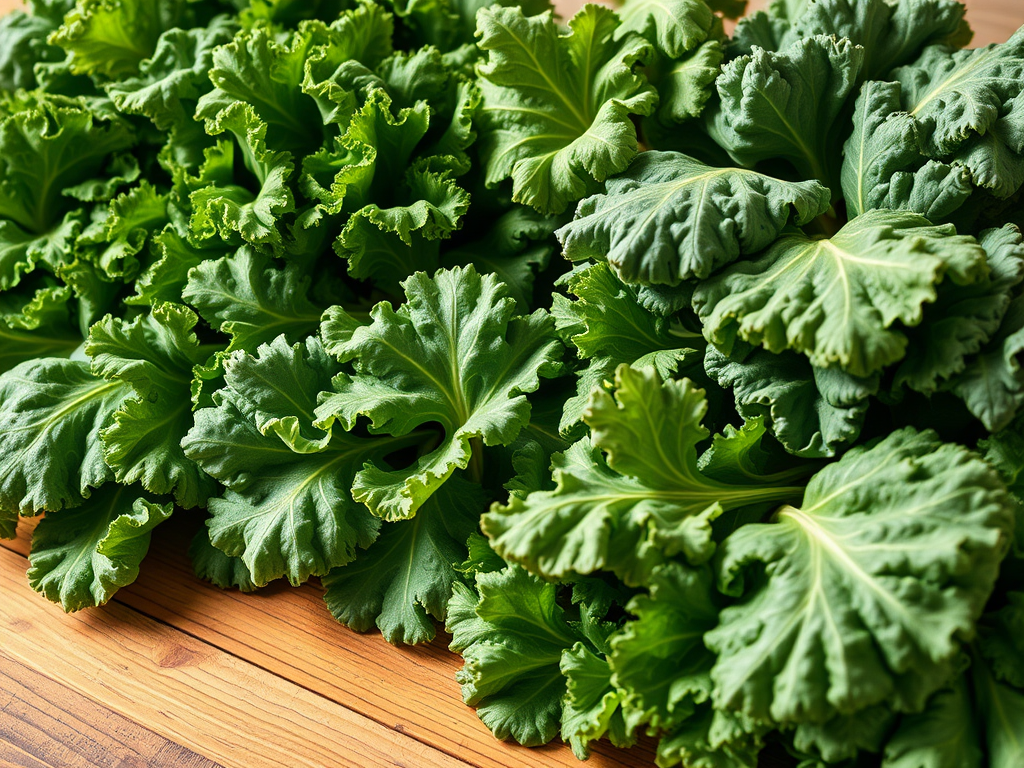
Green leafy vegetables are some of the most nutrient-packed foods on the planet, offering a powerhouse of vitamins, minerals, and antioxidants. But which ones truly stand out?
5. Spinach
Key Nutrients (per 100g raw):
- Vitamin K: 483% of Daily Value (DV)
- Vitamin A: 188% DV
- Folate: 49% DV
- Iron: 15% DV
- Magnesium: 20% DV
Spinach is a classic superfood, loaded with vitamins K and A, which support bone health and vision. It’s also rich in iron and folate, essential for energy and cell repair. However, its high oxalate content can reduce mineral absorption, slightly lowering its bioavailability compared to other greens.
4. Rocket (Arugula)
Key Nutrients (per 100g raw):
- Vitamin K: 90% DV
- Folate: 24% DV
- Calcium: 16% DV
- Nitrates: Supports blood pressure regulation
Despite its smaller size, rocket (arugula) takes the top spot due to its exceptional nutrient-to-calorie ratio. It’s rich in cancer-fighting sulforaphane and contains nitrates, which improve blood flow. Unlike many greens, it has very low oxalates, maximising mineral absorption. Its peppery taste makes it a delicious addition to salads and sandwiches.
3. Swiss Chard
Key Nutrients (per 100g raw):
- Vitamin K: 332% DV
- Vitamin A: 122% DV
- Magnesium: 19% DV
- Potassium: 15% DV
- Iron: 10% DV
Swiss chard is a vibrant, versatile green with impressive levels of vitamin K, magnesium, and potassium—key for heart and muscle function. While it shares spinach’s oxalate issue, its slightly higher mineral content gives it an edge.
2. Collard Greens
Key Nutrients (per 100g cooked):
- Vitamin K: 770% DV
- Vitamin A: 60% DV
- Calcium: 27% DV
- Folate: 16% DV
- Fiber: 5g
Collard greens are a Southern staple and a nutritional powerhouse, boasting the highest vitamin K content on this list—critical for blood clotting and bone health. They’re also rich in calcium and fibre, with lower oxalates than spinach or chard, meaning better mineral absorption. Their mild, slightly bitter flavour makes them perfect for stews and sautés.
1. Kale
Key Nutrients (per 100g raw):
- Vitamin K: 681% DV
- Vitamin C: 200% DV
- Vitamin A: 199% DV
- Calcium: 14% DV
- Antioxidants: Lutein, beta-carotene, quercetin
Kale remains a nutritional superstar, packed with vitamins K, A, and C, along with antioxidants that support eye and heart health. Its high calcium content is great for bone strength, though its tough texture can be off-putting for some.
Final Thoughts
While all leafy greens are excellent for health, kale and collard greens stand out as the most nutrient-dense options. Collards shine for their vitamin K and calcium, while kale offers Vitamin C and Vitamin A too. For the best results, rotate between all of these greens to get a full spectrum of nutrients.
 Diets Debunked