
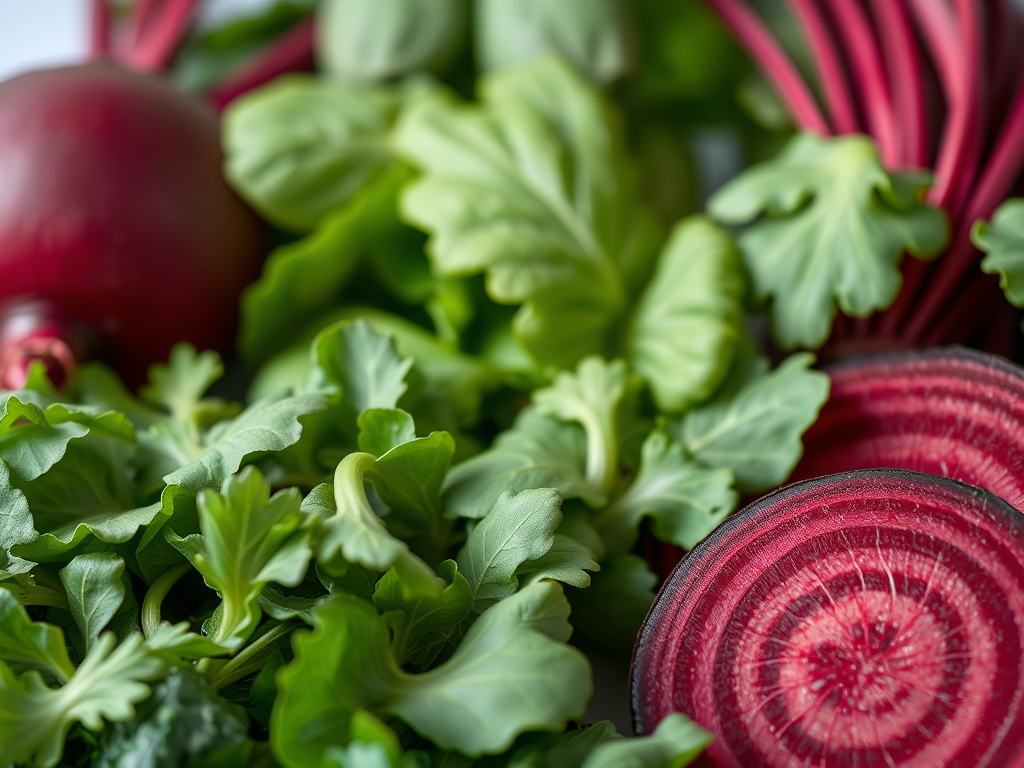
Cardiovascular disease remains a leading cause of mortality worldwide, prompting ongoing research into dietary strategies that may improve heart health. Among the nutrients under scrutiny, dietary nitrates have gained significant attention for their potential cardiovascular benefits. Found abundantly in leafy green vegetables and beetroot, these compounds play a fascinating role in vascular function. But how exactly do they influence heart health, and should we be consuming more of them?

What Are Dietary Nitrates?
Nitrates are naturally occurring compounds found in soil, water, and certain foods. In the human diet, they are most commonly present in vegetables such as spinach, rocket, celery, and beetroot, with beetroot being the most potent in nitrates. When consumed, nitrates are converted into nitrites by oral bacteria and further reduced to nitric oxide (NO) in the body. Nitric oxide is a potent vasodilator, meaning it helps relax and widen blood vessels, improving blood flow and reducing blood pressure.
The Cardiovascular Benefits of Nitrates
1. Lowering Blood Pressure
Hypertension is a major risk factor for heart disease and stroke. Studies have shown that nitrate-rich foods, particularly beetroot juice, can lead to significant reductions in blood pressure, reducing systolic (the larger number on the top) by 4-10mmHg, and diastolic (the smaller number on the bottom) by 2-5mmHg within the hours after consumption. This effect is attributed to the increased production of nitric oxide, which enhances arterial dilation and improves circulation. This has been suggested in population studies to lower stroke risk by ~13% and CVD risk in total by ~9%.
2. Enhancing Endothelial Function
The endothelium (which is the inner lining of blood vessels) plays a crucial role in vascular health. Damage to the endothelium may lead to atherosclerosis and other cardiovascular conditions. Nitric oxide from dietary nitrates helps maintain endothelial health by reducing inflammation and preventing the adhesion of platelets and white blood cells to vessel walls, which is how atherosclerosis forms.
3. Improving Exercise Performance
Better blood flow doesn’t just benefit resting cardiovascular function; it also enhances physical performance. Athletes often consume beetroot juice to boost stamina, as improved oxygen delivery to muscles delays fatigue. For individuals with heart conditions, this could translate to better tolerance for physical activity, a key factor in cardiovascular rehabilitation.
4. Potential Anti-Atherogenic Effects
Some research suggests that dietary nitrates may help slow the progression of atherosclerosis by reducing oxidative stress and improving lipid metabolism. While more studies are needed, the antioxidant properties of nitrate-rich vegetables could contribute to long-term heart protection.
Can We Get The Same Benefits From Whole Beetroots?
Yes, we can; however, we will likely need to consume more whole beetroot than beetroot juice because:
- Juice is more concentrated in nitrates.
- Fibre in the whole beetroot slows down nitrate absorption.
- Cooking may impact nitrate concentration.
Are There Any Risks?
You may be thinking “but I thought nitrates were bad! What about the nitrates in bacon and sausages?”, and that is a good question. While the benefits of dietary nitrates from vegetables are well-supported, concerns have been raised about nitrates from processed meats, such as bacon and sausages. These foods contain added nitrates and nitrites, often in the form of preservatives, and their consumption has been linked to an increased risk of certain cancers and heart disease.
The key difference lies in the food matrix: vegetables come with antioxidants like vitamin C, which inhibit the formation of harmful nitrosamines, whereas processed meats do not offer the same protective components. Nitrosamines may be the compound which leads to an increase in cancer risk when consuming these processed meats; but fruits and vegetables don’t have that same impact.
How to Incorporate Nitrate-Rich Foods Safely
To maximise cardiovascular benefits, focus on whole food sources of nitrates:
- Leafy greens: Rocket, spinach, and kale.
- Root vegetables: Beetroot and carrots.
- Other vegetables: Celery, radishes, and parsley.
Aim for at least one serving of nitrate-rich vegetables per day. Beetroot juice is a convenient (but difficult to source) option, whereas whole vegetables provide additional fibre and micronutrients that support overall health.
Conclusion
Dietary nitrates, particularly those from plant sources, offer promising cardiovascular benefits, from lowering blood pressure to improving endothelial function. While processed meats should be limited, incorporating nitrate-rich vegetables into your diet is a simple and effective way to support heart health. As always, a balanced diet, combined with regular exercise and other healthy lifestyle choices, remains the cornerstone of cardiovascular wellbeing.
Would you consider adding more beetroot or leafy greens to your meals? Share your thoughts in the comments below!
 Diets Debunked