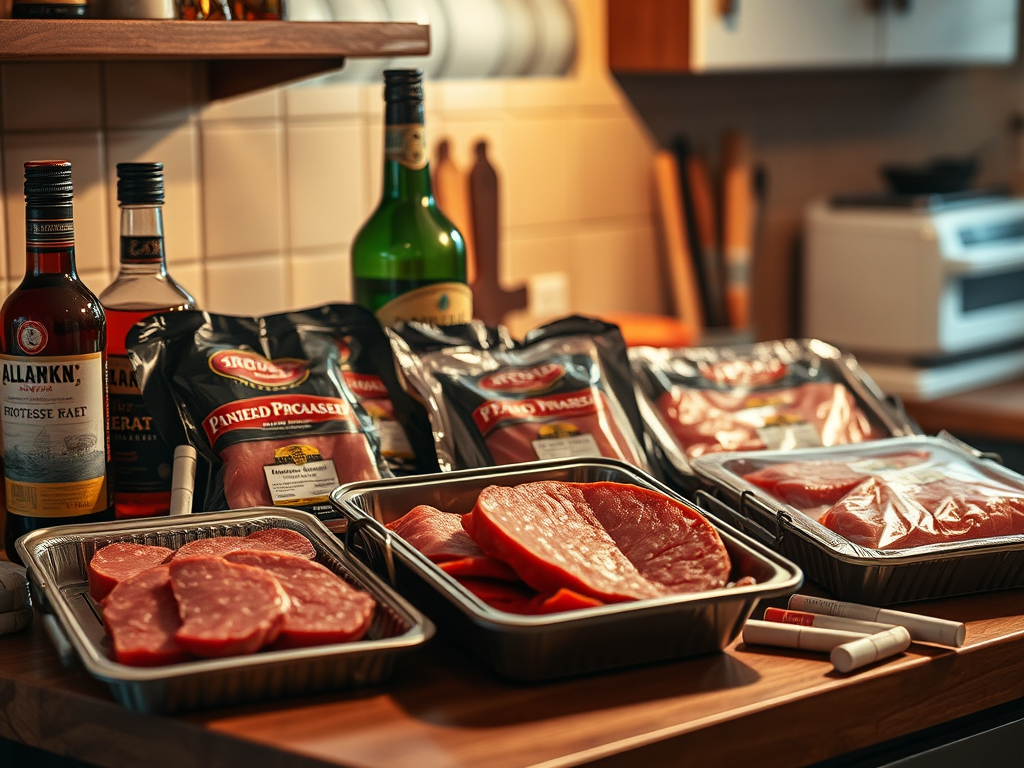
In 2015, the International Agency for Research on Cancer (IARC) made headlines by classifying processed meat as a Group 1 carcinogen; the same category as tobacco, alcohol, and radium. Understandably, this led to widespread confusion and alarming news reports suggesting that eating bacon was as dangerous as smoking cigarettes.
But here’s the truth: just because processed meat is in the same category as these well-known carcinogens doesn’t mean it poses the same level of risk.
What Does “Group 1 Carcinogen” Actually Mean?
The IARC classification system is based on the strength of the evidence, not the degree of risk. When the IARC labels something as Group 1, it means there is sufficient evidence that the substance can cause cancer; not that it’s equally as dangerous as everything else in that group.
For example:
- Tobacco smoking increases lung cancer risk by 15-30x.
- Chronic alcohol consumption raises liver cancer risk by 2x (but raises cirrhosis risk significantly more)
To compare like for like, we need to identify a common cancer that all of these things can impact. Colorectal cancer is a cancer which has a raised risk for all of these carcinogens.
- Chronic alcohol consumption raises colorectal cancer risk by 1.5x.
- Smoking increases colorectal cancer risk by 1.48x.
- Processed meat (50g per day) increases colorectal cancer risk by 1.18x.
Putting the Risks Into Perspective
The average lifetime risk of developing colorectal cancer in the UK is around 5.5%. Here’s how different exposures affect that risk:
- Alcohol (moderate-heavy consumption): Increases risk to ~8.75%
- Smoking: Increases risk to ~8.15%.
- 50g processed meat per day: Increases risk to ~6.5%
- 150g processed meat per day: Increases risk to ~8.5%.
While processed meat does contribute to cancer risk, it is very rare that someone would be consuming more than 150g processed meat per day, and therefore, alcohol and tobacco remain significantly more dangerous in typical consumption patterns.
Should You Stop Eating Processed Meat?
The key takeaway isn’t that processed meat is harmless; it’s that context matters. To keep risks low:
- Limit processed meat to <70g per day (as recommended by UK health guidelines).
- Minimise alcohol intake where possible.
- Stop smoking.
- Focus on a balanced diet rich in whole foods, fibre, and plant-based proteins.
The Bottom Line
Yes, processed meat is a carcinogen, but not in the same league as smoking or heavy drinking. Understanding the actual risk levels helps us make informed choices without unnecessary panic. Moderation and awareness are the best tools for maintaining long-term health.
Would you like to see more breakdowns of health risks like this? Let me know in the comments!
Sources: IARC, Cancer Research UK, NHS dietary guidelines.
 Diets Debunked