
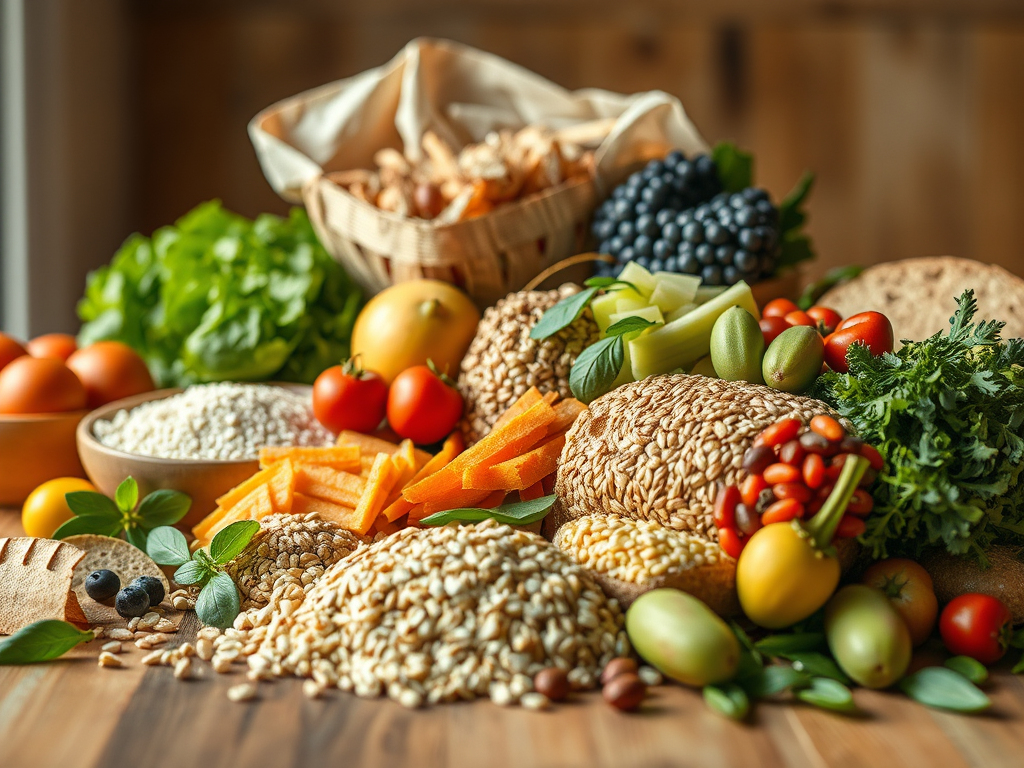
As a dietitian, I often hear people (typically carnivores, let’s be honest) say things like, “carbs aren’t essential, so I cut them out completely,” or “fibre isn’t a nutrient, so I don’t worry about it.” While it’s true that some nutrients aren’t classified as essential – meaning our bodies can technically survive without them – that doesn’t mean we should avoid them.
Survival and optimal health are two very different things. Just because you won’t develop a deficiency disease from missing a non-essential nutrient doesn’t mean your body will thrive without it. Let’s break this down.
What Does “Essential” Actually Mean?
In nutrition, an essential nutrient is one that the body cannot make in sufficient amounts (or at all), so we must get it from food. Think vitamin C, essential fatty acids, or certain amino acids. Without them, we develop deficiencies; scurvy, for example, from a lack of vitamin C- and will eventually die due to the deficiency of this nutrient.
Just because something is not essential, however, doesn’t mean that not getting it is optimal at all. Effectively, the definition of an essential nutrient is all we need to survive, NOT all we need to thrive. Many nutrients which aren’t considered essential play a vital part in ensuring we feel good, have a good amount of energy, reduce our risk for inflammation and disease, and more. The argument that we shouldn’t eat something because it is not essential is ludicrous, as these nutrients still play a vital role in keeping our body healthy and allowing us to live a longer life.
Nutrients that aren’t essential—but you should still eat them
1. Carbohydrates
Why they’re not essential: The body can make glucose from protein and fat (via gluconeogenesis), so technically, we don’t need dietary carbs to survive.
Why you should still eat them:
- Energy efficiency: Carbs are the body’s preferred energy source, especially for the brain and high-intensity exercise. Whilst we can make carbs from proteins and fats, this process is long and convoluted, and for many people, means they feel lethargic without some form of carbs.
- Fibre and phytonutrients: Most carb-rich foods (whole grains, fruits, legumes) come packed with fibre, antioxidants, and vitamins that you miss out on with a zero-carb approach. Animal products simply do not have these in the same quantities.
- Gut health: Many carbs (like resistant starch) feed beneficial gut bacteria. This has a huge impact on our overall health; a healthy gut microbiome is associated with a reduced risk of almost all non-communicable diseases, improved immune system, reduced risk of obesity, and more.
What happens if you don’t eat enough?
Low-carb diets can work for some, but cutting carbs too low can lead to fatigue, poor exercise recovery, and even mood swings. Low carb diets are also lower in fibre; low fibre can lead to constipation, but also an increased risk of many chronic diseases such as heart disease, type 2 diabetes, dementia and more, due to a reduced diversity of the gut microbiome.
2. Fibre
Why it’s not essential: Fibre isn’t absorbed or used for energy, so you won’t get a “deficiency.” It essentially stays in our digestive tract, and so we don’t directly use it at all, except to help add bulk to our stools to stimulate the colon to constrict and push the stool through, reducing constipation.
Why you should still eat it:
- Gut health: Fibre feeds your microbiome, which influences everything from immunity to mental health.
- Digestion: It keeps things moving, preventing constipation and bloating.
- Disease prevention: High-fibre diets are linked to lower risks of heart disease, type 2 diabetes, and certain cancers, especially bowel cancers, both through improving your microbiome, and also moving waste through swiftly.
- Satiety and fullness: Many people find that they are more hungry on a low-fibre diet, due to the fact that fibre can bulk out foods for lower calories, and also slows down the emptying of your stomach. This means you are less likely to eat as much, and also will be more able to control your portions, making weight loss easier in the long run.
What happens if you don’t eat enough?
Constipation, imbalanced gut bacteria, higher cholesterol and other blood lipids, and increased hunger.
3. Certain phytochemicals & antioxidants
Why they’re not essential: You won’t get a deficiency without them, as they aren’t necessary to sustain life.
Why you should still eat them:
- Reduced inflammation: Compounds like flavonoids (in berries, tea) and lycopene (in tomatoes) help protect cells. Many antioxidants and phytochemicals are also shown to improve gut microbiome diversity, allowing these microbes to produce more butyrate which is incredibly anti-inflammatory.
- Long-term health: Diets rich in plant foods are linked to lower chronic disease risk—likely due to these non-essential but beneficial compounds.
What happens if you don’t eat enough?
You might not notice immediately, but over time, a lack of antioxidants and phytochemicals may contribute to higher oxidative stress and inflammation. This inflammation can then lead to an increased risk of chronic inflammatory diseases, such as cardiovascular disease.
The bottom line
Just because you can survive without a nutrient doesn’t mean you’ll thrive without it. Nutrition isn’t just about avoiding deficiencies; it’s about supporting long-term health, energy, and wellbeing.
So before cutting out entire food groups because they’re not “essential,” ask yourself: Is this helping my health, or just ticking a technical box? The best diet isn’t the one with the fewest “required” nutrients; it’s the one that keeps you feeling your best, inside and out.
What’s your take on non-essential but beneficial nutrients? Have you ever noticed a difference when including (or excluding) them? Let me know in the comments!
 Diets Debunked