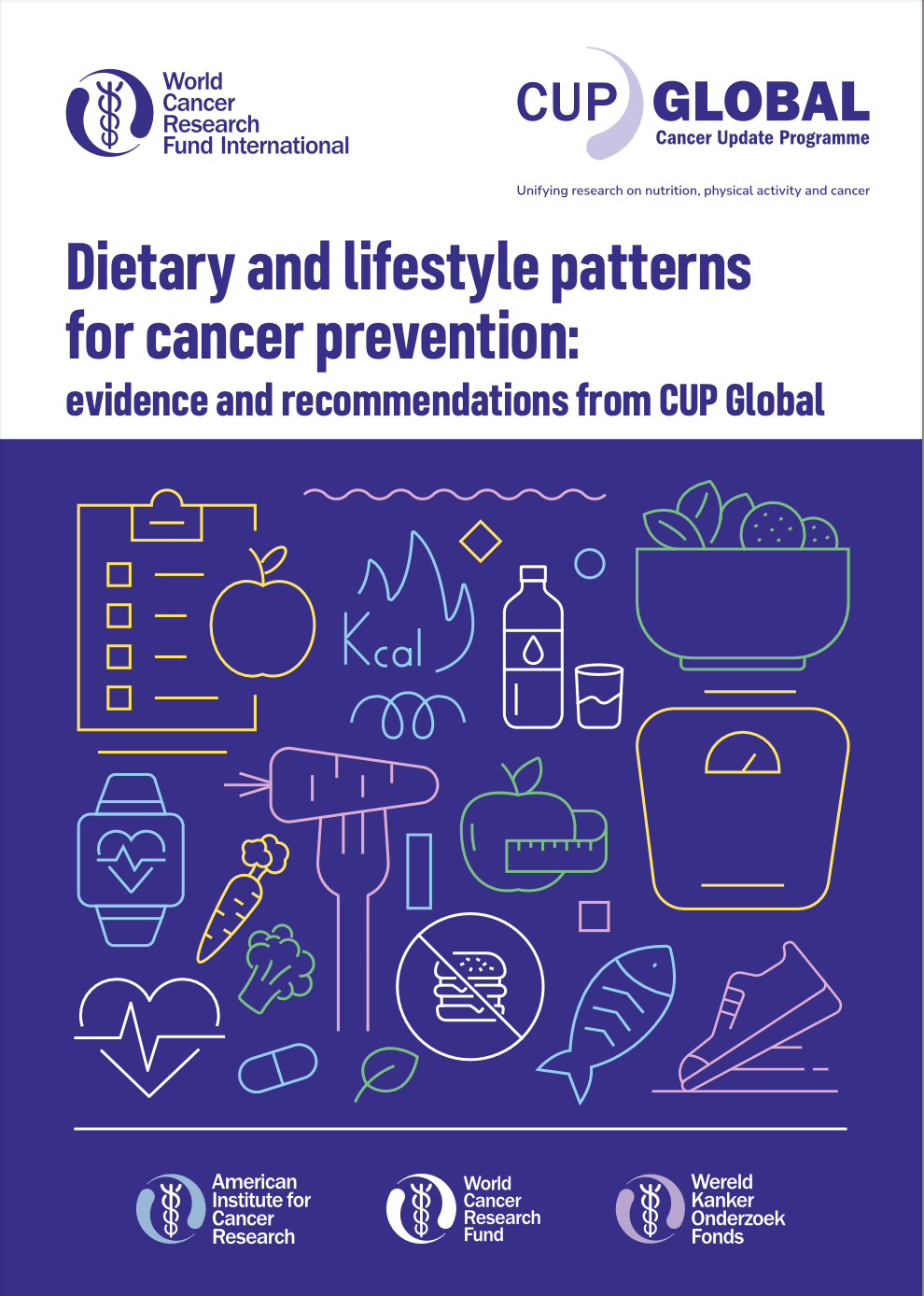
The World Cancer Research Fund’s latest report, Dietary and Lifestyle Patterns for Cancer Prevention, consolidates decades of research into practical, actionable advice. Considering that 40% of all cancers are considered preventable by changing dietary and lifestyle factors, and that 1 in 2 of us will get cancer in our lifetime, it is so important that we change our diet and exercise habits at the earliest opportunity to reduce our risk of cancer.
1. Prioritise Whole Foods, Mostly Plants
The evidence remains steadfast: diets rich in vegetables, fruits, whole grains, and legumes lower cancer risk. These foods provide fibre, antioxidants, and phytochemicals that actively protect cells. Aim for at least 30g of fibre daily: think oats, lentils, berries, and leafy greens.
What to limit:
- Processed meats (bacon, sausages, deli meats): Strongly linked to colorectal cancer.
- Red meat: Keep intake moderate (under 500g cooked weight per week).
- Ultra-processed foods: Often high in sugar, unhealthy fats, and a changed food matrix that promotes obesity—a key cancer risk factor.
2. Move Regularly
Sedentary lifestyles are implicated in several cancers, including breast and colon. The recommendation? 150 minutes of moderate activity weekly (e.g., brisk walking, cycling). Consistency matters more than intensity. Even walking to the shops or running for the bus counts.
3. Alcohol: Less Is More
Any amount of alcohol increases cancer risk, particularly for breast, liver, and oesophageal cancers. If you choose to drink, cap it at 1 drink/day for women, 2 for men, and avoid binge drinking.
4. Maintain a Healthy Weight
Excess body fat is linked to over 10 cancers. Focus on balanced meals and portion control rather than restrictive diets. Small, sustainable changes (like prioritising protein and fibre at meals) help manage weight long-term.
5. Breastfeeding’s Dual Benefit
For mothers, breastfeeding reduces breast cancer risk. For infants, it lowers future obesity risk, which indirectly reduces their risk of cancer. If possible, aim for exclusive breastfeeding for 6 months.
6. Skip Quick Fixes
Supplements don’t replicate the benefits of whole foods. The exception: vitamin D (especially in the UK’s grey climate) or medically advised deficiencies.
The Takeaway
About 40% of cancers are preventable through diet, activity, and weight management. You don’t need perfection; just consistent, evidence-backed habits:
- Fill half your plate with vegetables and whole grains.
- Cook at home more often to avoid processed foods.
- Find movement you enjoy and stick with it.
For further reading, explore the full report on the WCRF website.
Note: Individual needs vary. Consult a dietitian or GP for personalised advice.
 Diets Debunked