

I am one of those people who will cook and prepare pretty much everything I eat. I’m not just talking about opening a jar to make pasta at home rather than buying it at a restaurant. I’m talking about making that pasta sauce from scratch (and occasionally making the pasta from scratch), making all my bread and baked goods at home, making my own marinades, spice mixes, the works. Of course, there are still some things I do buy pre-prepared (butter, noodles and M&S chilli pesto come to mind), but these are very specific things I chose to buy because me making them will have next to no additional benefit, and it gives me time to focus on the other things which will be beneficial for me to make.
So, why do I do this? What is the point? And how do I do this with a busy lifestyle?
Why I make (pretty much) everything from scratch
Essentially, it comes down to 2 things; what manufacturers put into their ready made products, and equally, what they miss out.
Generally, manufacturers will go to great lengths to make their product as delicious and palatable as possible. They have the perfect trifecta of fat, sugar and salt that they’ll add to food (yes, even pasta sauces) to give it the best texture, mouthfeel and taste. They will add emulsifiers, texture and flavour enhancers, acidity regulators and more to make the product last as long and be tasty for as long as possible.
Now, don’t get it twisted; I’m not saying these things are inherently bad for us, or that they will be doing us serious harm in moderation. What I am saying though, is the addition of fat, sugar, salt and more will be making that food ultra-palatable. The more palatable a food is, the more it’ll be making our brain send signals that we want more. The more signals like this we have, the harder we find it to avoid these foods.
Essentially, the more you eat these kinds of foods, the more you crave these kinds of foods. The more you crave these kinds of foods, the harder you’ll find it to resist them and the more likely you’ll be to overeat them. The more likely you’ll be to overeat them, the more likely you’ll be to gain weight whilst having a diet which is not sufficient in vital micronutrients. Essentially, the more you eat these foods, the easier it is to eat an unhealthy diet.
I choose to make food myself because I can avoid this cycle. I can make foods which generally taste better, but don’t have that ultra-palatable quality which make us crave things. It’s not that I’ll never have foods which are UPF or made by a manufacturer; but I choose to eat them very sporadically to try and avoid that cycle.


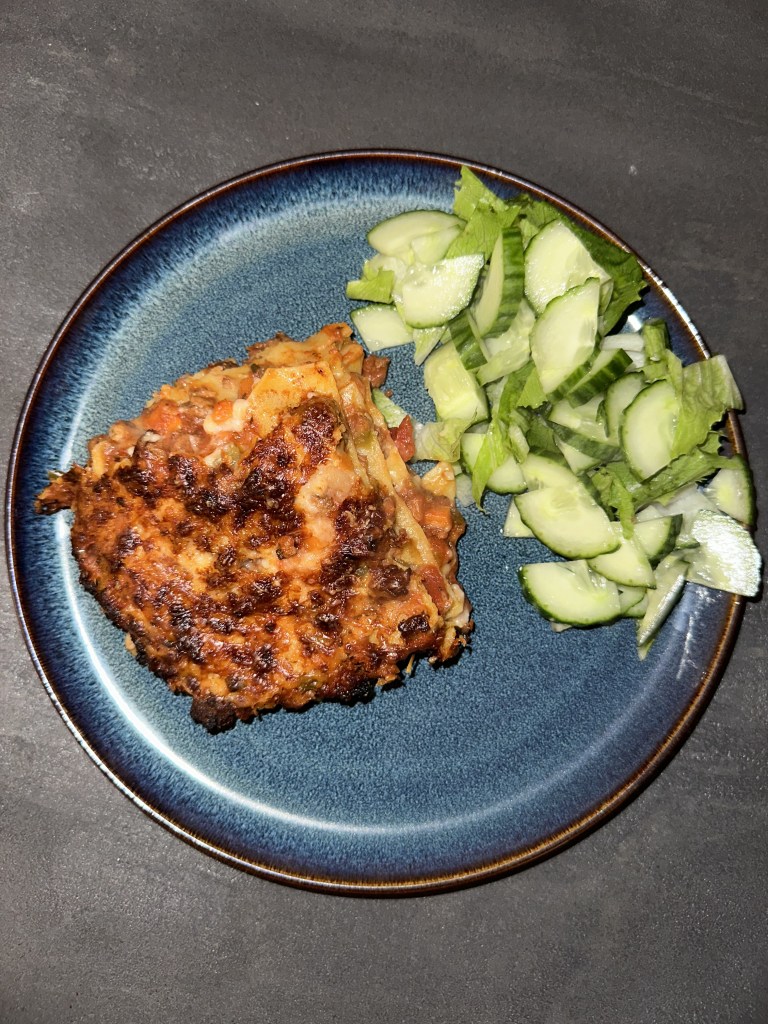


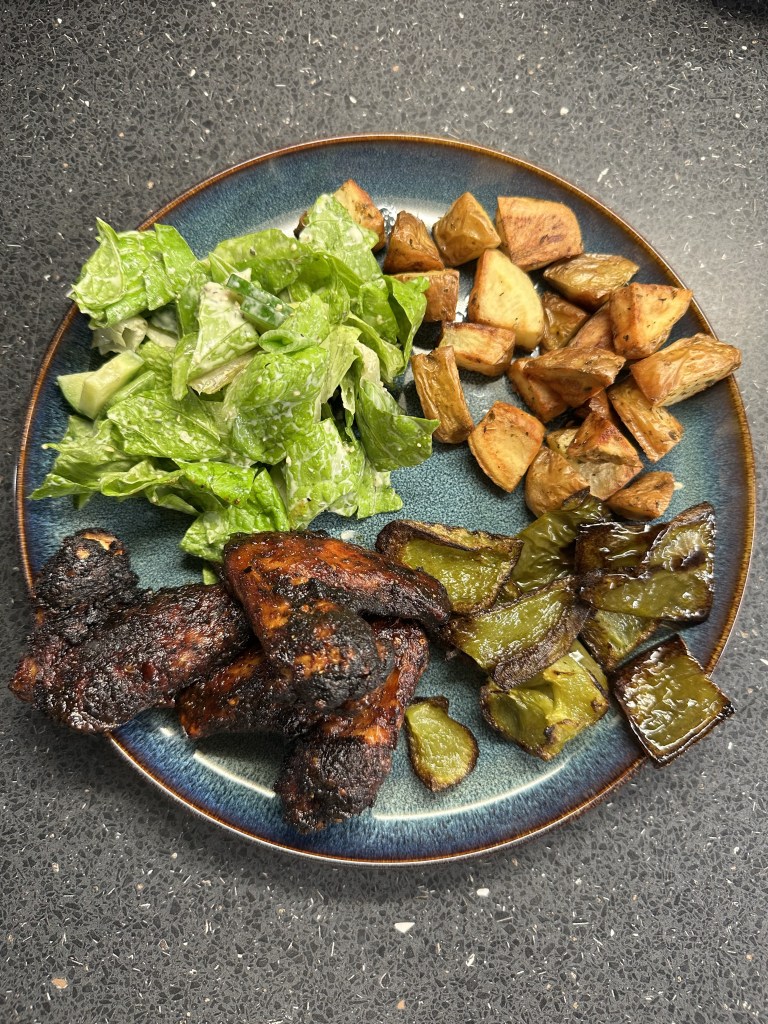
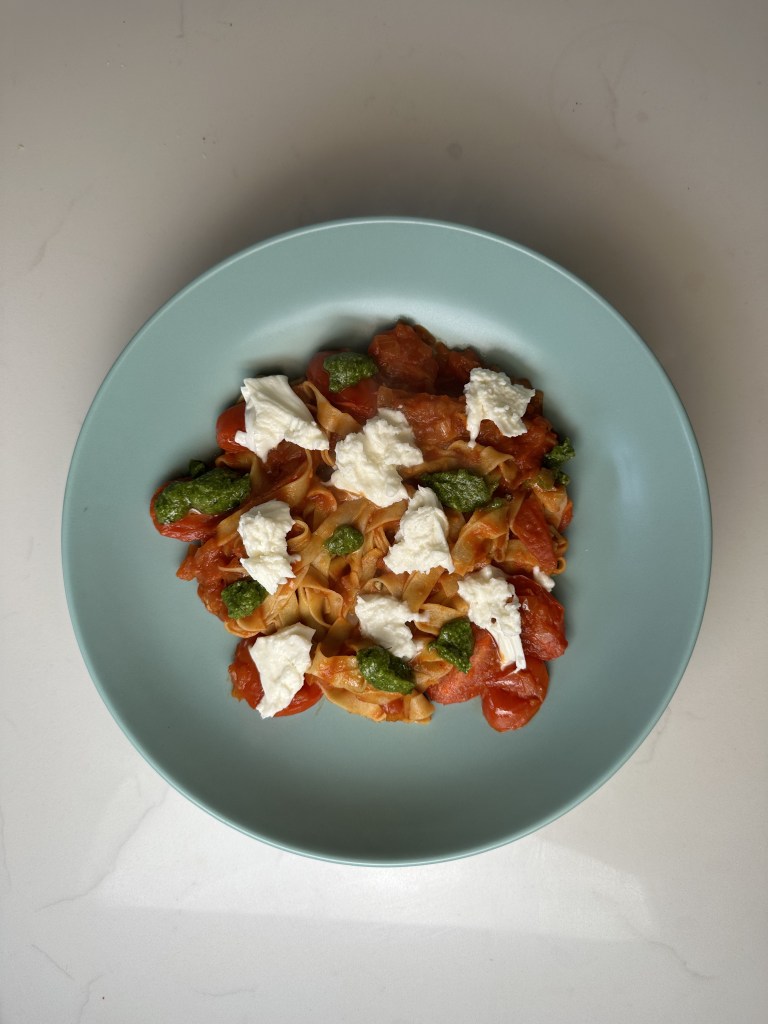
Above: Examples of homemade meals I have made.
Perhaps the most important reason I make food myself, however, is that I can add foods in which many manufacturers won’t. I can make sure my pasta sauce has 3 or 4 seperate portions of vegetables, rather than the measly 1 they’ll use. I can make sure that my stir fry has more spices which are shown to be anti-inflammatory. I can make sure my lasagna has 50% more fibre in it than the store-bought stuff. Essentially, I can make sure my meals have more nutritional density within them than you’d typically see in supermarket-bought produce.
This in and of itself has huge impacts on health. More plant diversity helps build a healthier microbiome, which has far-reaching impacts on all aspects of health. More fruit and vegetables mean more antioxidants being consumed, reducing cancer and cardiovascular disease risk. More fibre keeps the bowels healthy, reducing the risk of colorectal cancers. More nutrition means a reduced risk of deficiency diseases; a few of which I am at an increased risk for due to health conditions and medications I take.


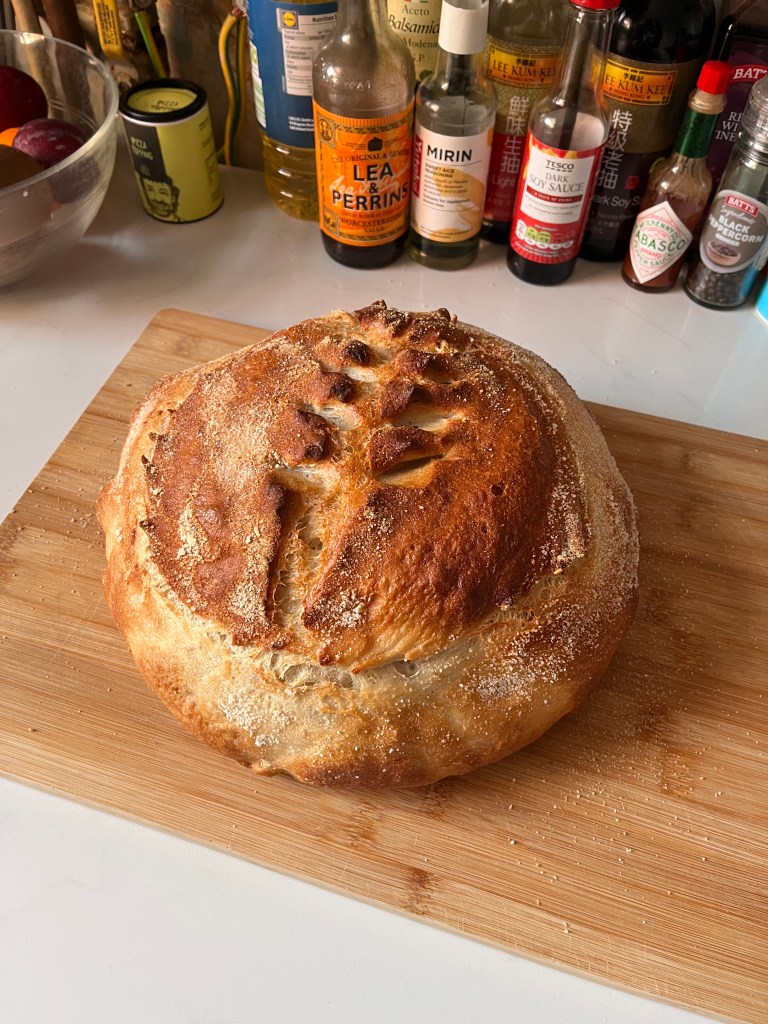

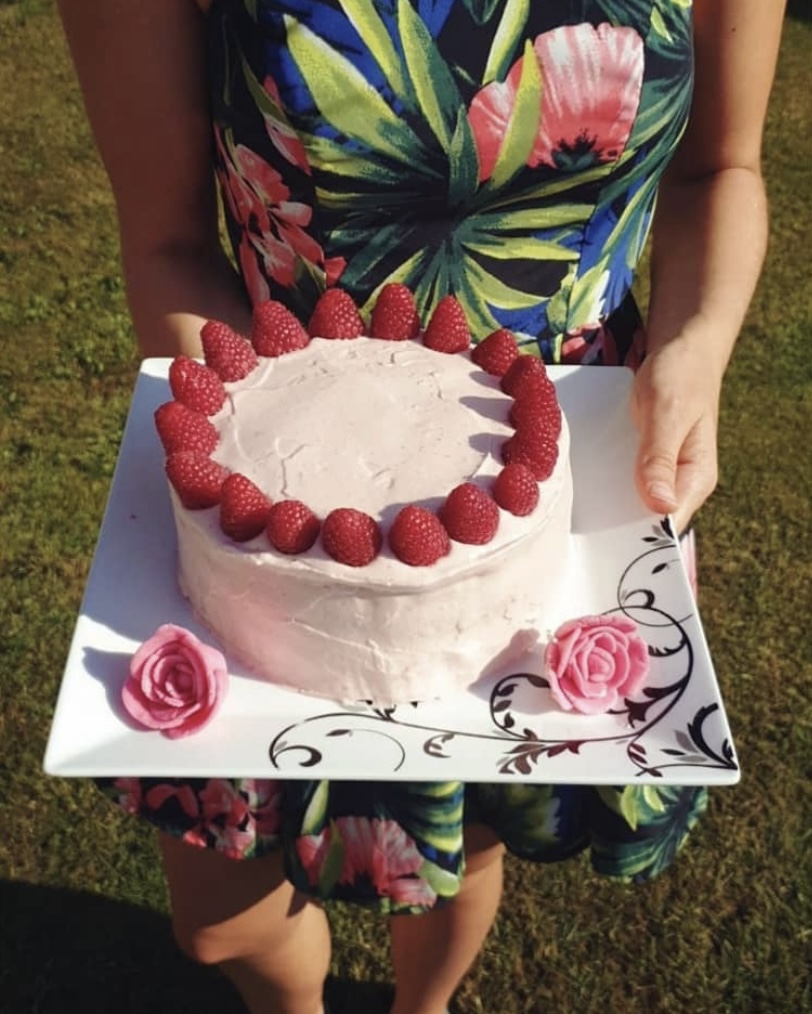
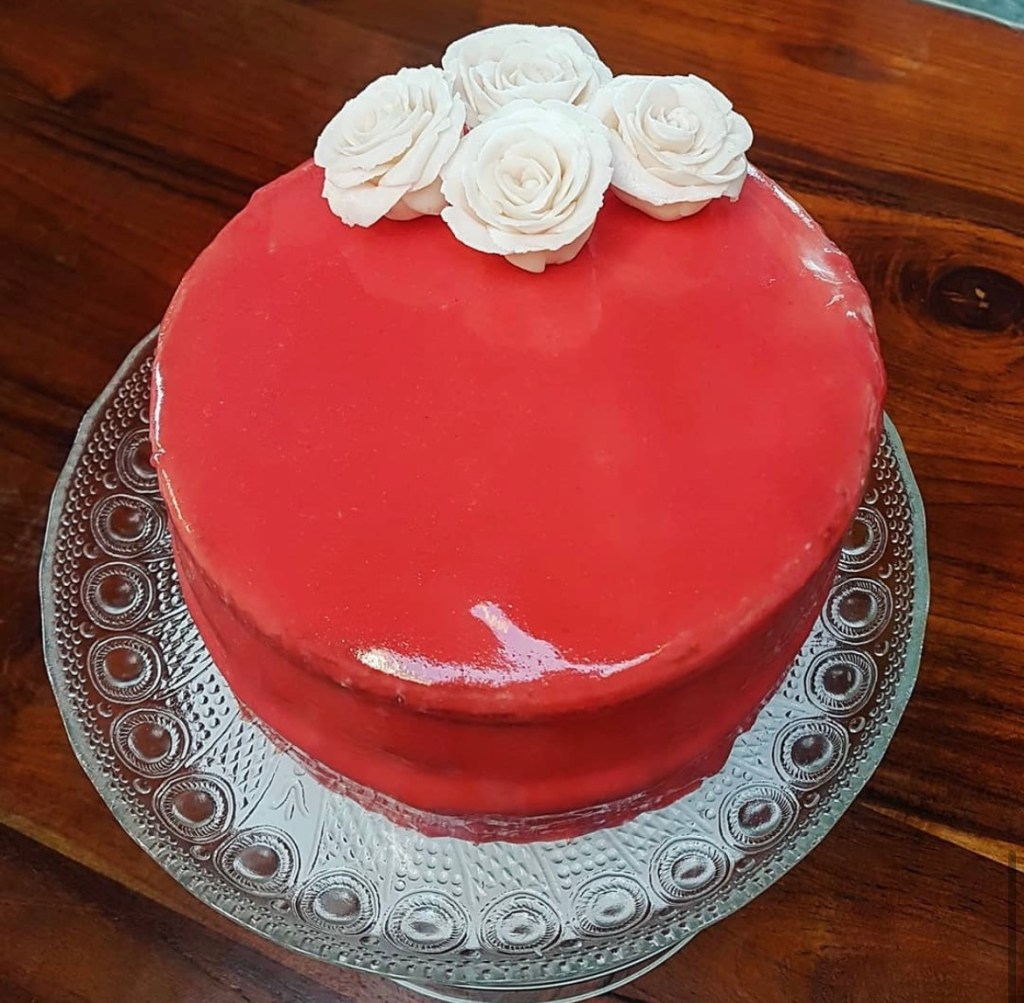
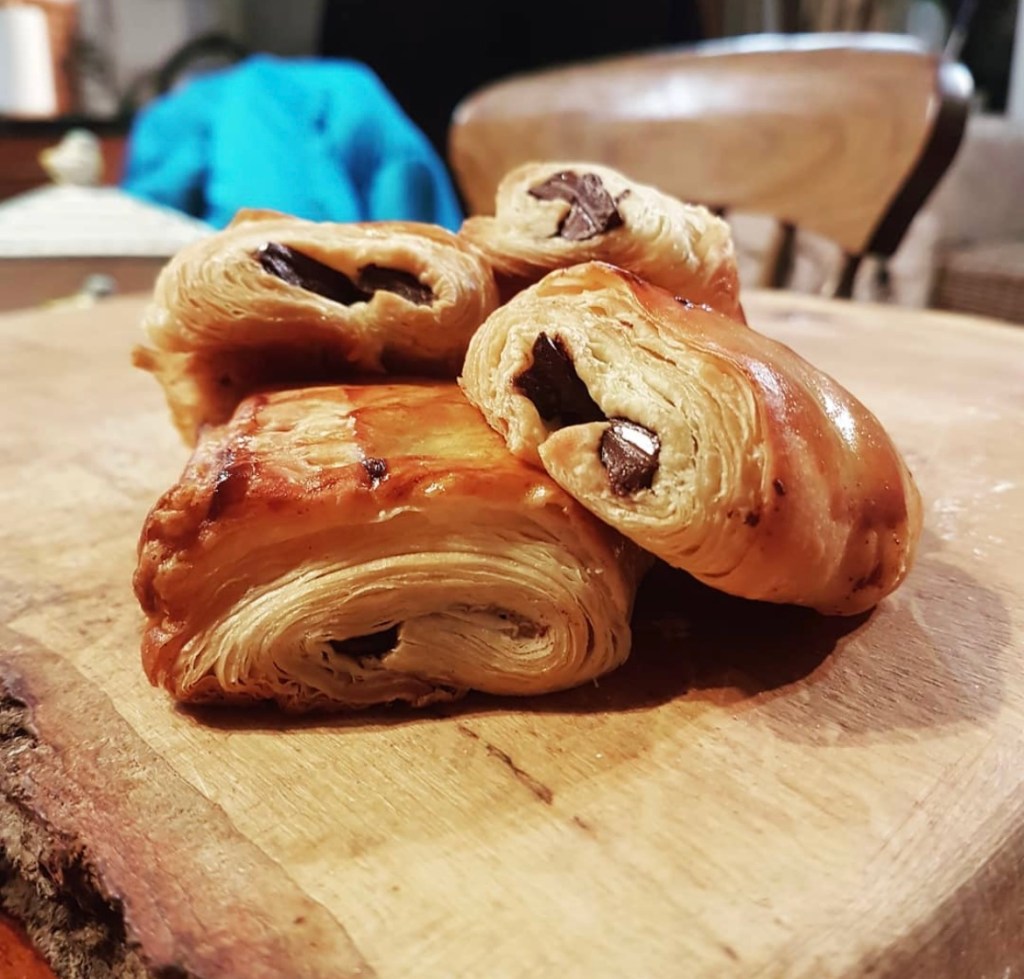
Above: Examples of baked goods I have made in the past
Of course, it doesn’t mean that all of the foods I make are significantly better for my health. I do make cakes, biscuits, pastries and pies, all of which have higher amounts of fat, sugar or salt in them. However, I make these because; 1. I enjoy baking and 2. I can control what does go in them. Most of the above treats have less sugar, salt and fat than the counterparts you’d buy in the store, and I can also ensure they have more fruit or fibre in them. Equally, they don’t have the emulsifiers and stabilisers to keep the good mouthfeel, or flavour enhancers to make them super ultra-palatable. Don’t get me wrong, they are still delicious; but they have less impact on the cravings than store bought would.
It’s not always easy
I cannot tell you how many times I’ve wanted a slice of toast, only to realise we’ve eaten all of the sourdough I made us or it has gone mouldy.
This way of eating is not easy. It’s not convenient. For many people, it is utterly impractical. And I get that.
I am very fortunate that I work from home for the majority of the time. This allows me to put the slow cooker on, or begin a loaf of bread between clients. This allows me to get things prepped whilst I have a spare 5 minutes, rather than rushing at the end of an exhausting work day.
I also do not have children to consider within this. My partner is not a fussy eater, and so I’m not having to make multiple meals at different times. I can make one thing and be done with it.
Finally, and perhaps most importantly, I enjoy cooking and baking. They are my hobbies; I find them incredibly relaxing and I truly revel in making my family a healthy and nutritious meal for us to share. I think this is the most vital aspect for many; if you aren’t a fan of cooking from scratch, you will find this utterly miserable and very difficult to achieve.
My top tips
- Be realistic with what you want to do. If you currently rely on jarred, pre-packaged and takeaway foods for the majority of your diet, it’s unrealistic to expect a complete 180 change and for you to begin preparing everything from scratch. Sit down with yourself and think about your diet and lifestyle; what are the most important things you want to change? How could you make small tweaks to make this better?
- Think of things in order of priority. If you eat a majority UPF diet, there is no point in sweating the small stuff like making your own bread when there are bigger fish to fry in your diet, like deep fried food multiple times per week, or a takeaway or ready meal often. Focus on changing these things first, rather than the small things.
- You don’t have to be perfect. If you’re currently relying on a ready meal pasta dinner regularly, for you, actually switching to a jarred sauce would probably be an improvement. You can boost the quality by chopping some veg and some protein (or even just adding frozen veg or protein to it). This can be far more achievable than trying to cook everything from scratch right away.
- Use your time wisely. You don’t have to prepare everything all at once. Spending an afternoon on the weekend pre-preparing vegetables, marinating proteins etc for the week can make cooking from scratch during the week much easier to manage.
- Start slow. Changing everything all at once is a sure-fire way to failure in a few weeks. Focus on one thing to begin with, and adjust and change slowly.
- Look at recipes. Trying to make a meal off the top of your head will often go pretty badly if you aren’t already an advanced cook. Recipes can be great to give you the basic ideas for textures, flavours and cook times, especially at the beginning.
Cooking from scratch can take a lot of time and effort. However, making the majority of your meals from scratch can be beneficial to the nutrition of your meals (not always, however! Homemade cakes and ice-cream, I’m looking at you). Doing what you can with your situation is always ideal, and can make a big difference to the amount of fat, sugar, salt and micronutrients you are consuming.
 Diets Debunked