
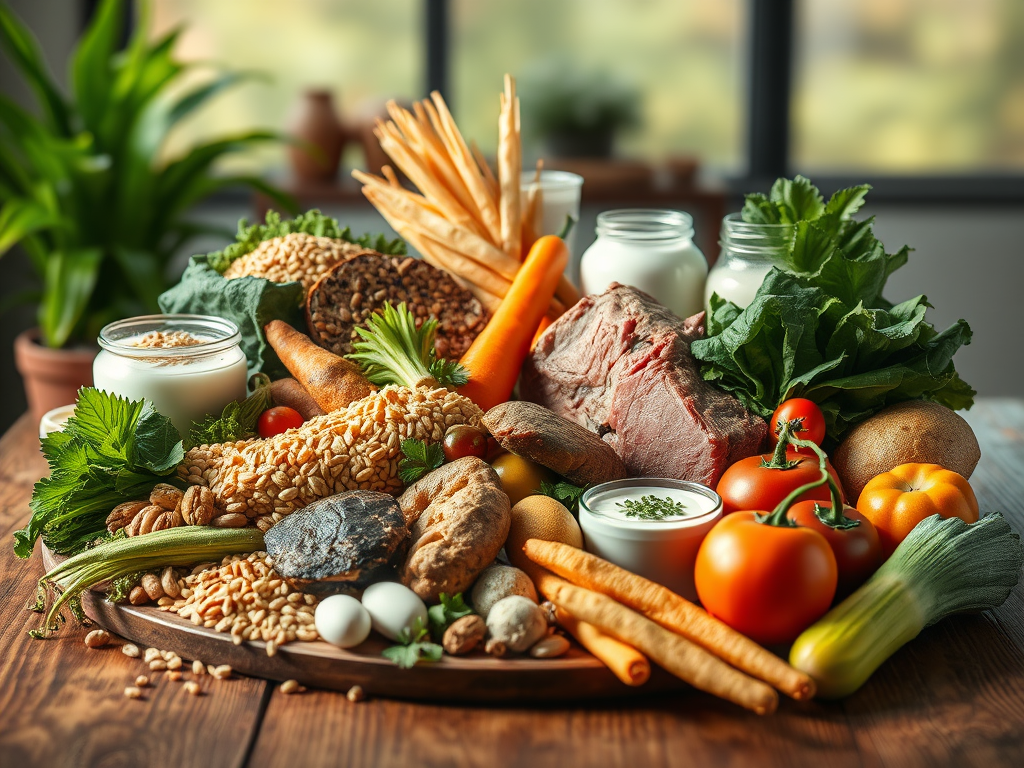
Minimum Dietary Diversity (MDD) is the new buzzword that has been floating around nutrition and public health spaces over the past few weeks. The Food and Agriculture Organization of the United Nations (also known as the FAO), alongside UNICEF, have introduced this measure to help identify a crucial aspect which previously has not been accounted for when tracking malnutrition across the globe with previous measures; the diversity of food groups within the diet.
Effectively, each food group (grains, tubers, plantains and white roots (carbs); pulses like beans, lentils and legumes (plant-based proteins); meat, poultry and fish (animal-based proteins); milk and milk products (dairy); eggs (vegetarian proteins); nuts and seeds; dark green leafy veggies; orange vegetables (vitamin-A rich veggies); other vegetables; fruits) contains it’s own set of essential vitamins and minerals which can be difficult to get in other food groups. The MDD indicator aims to identify how many of each of these foods someone is getting per day, and therefore can assess the risk of nutrient deficiencies quickly and easily by identifying food groups which are lacking.
| Food group | Nutrients found within the group |
| Grains, tubers, plantains and white roots | Carbohydrates B vitamins (except B12) Potassium (in potatoes and plantains) Fibre |
| Beans and pulses | Protein Carbohydrates Magnesium Vitamin B6 Fibre |
| Meat, fish and poultry | Protein + essential amino acids (lysine) Iron Zinc Vitamin B12 Omega-3 (oily fish) |
| Milk and milk products | Protein + essential amino acids (lysine) Calcium Iodine |
| Eggs | Protein Vitamin B2 Vitamin B12 Vitamin D |
| Nuts and seeds | Healthy fats Essential amino acids (lysine in peanuts) Vitamin E Omega-3’s (walnuts, hemp, flax and chia) Fibre |
| Dark green leafy vegetables | Vitamin A Vitamin B9 (folate) Vitamin C Vitamin K Iron Calcium Potassium Fibre |
| Orange vegetables | Vitamin A (carotenoids) Vitamin B6 Vitamin C Potassium Fibre |
| All other vegetables | Vitamin A Vitamin B6 Vitamin C Vitamin K Potassium Manganese Copper Fibre |
| Fruits | Vitamin C Potassium Fibre Anthocyanins (blue/ purple/ dark red fruits) |
Essentially, the FAO will use this measure to identify risk of nutritional deficiency within a population, particularly women between the ages of 15-49. They will be asked to provide a yes/no answer as to whether they have eaten each of the aforementioned food groups within the past 24 hours.
If they have eaten 5 or more of these food groups, their risk of nutritional deficiency and individual micronutrient deficiencies will be assumed lower, provided what they ate the previous day is an accurate representation of what they would usually eat. This aims to quickly identify the populations at risk, and allow interventions to be put into place to prevent child stunting, anaemia, wasting and overweight within these populations.
How can this be relevant to us in the UK?
This indicator is generally an identifier for those in low-middle income countries, where malnutrition and deficiency is rife. However, we can also use this as a quick, general overview for our own diets.
In an ideal world, we would be having at least 1 food from each food group every day as a minimum (with a double-up on the plant-based proteins if vegetarian, and a substitution for calcium and iodine fortified plant milks if vegan). This will ensure a wide variety of nutrients are being eaten, and make us much less likely to have nutritional deficiency.
Really, though, this measure is meant for those countries who are affected by poverty, famine and food insecurity. Identifying the greatest need can allow the WHO, UNICEF and the UN to direct food supplies and aide to those who need it the most, reducing food insecurity and poverty, allowing enough sustenance and reducing the risk of deficiency diseases or syndromes.
If you’d like to read more about MDD, find the link to the FAO’s report here.
 Diets Debunked