

In recent years, the gut microbiome has been identified as a critical player in overall health and well-being. This complex ecosystem of microorganisms residing in our digestive system influences everything from digestion and nutrient absorption, bone density to cardiovascular maintenance, to immune function and mental health. Perhaps the most effective way to maintain a healthy gut microbiome is through a diverse diet rich in plant foods.
The role of the gut microbiome
The gut microbiome is a dynamic community of trillions of bacteria, fungi, viruses, and other microbes that live in our intestines. These microorganisms perform a multitude of functions, including breaking down food, synthesising vitamins, and protecting against pathogens. A balanced and diverse microbiome is associated with better health outcomes, while an imbalanced microbiome (dysbiosis) has been linked to various health issues, including obesity, inflammatory bowel disease, and even mental health disorders.
Essentially, when we have a healthy gut microbiome, we are at a significantly reduced risk of so many conditions; cardiovascular disease, cancers, Alzheimers, diabetes, and that’s just to name a few.
So, how do plants support a healthy microbiome?
Essentially, we can see many of the compounds found in plant foods as fuel for our gut bugs. Things such as fibres (particularly soluble), resistant starch and other prebiotics provides a food source for the good bacteria in our gut. When they digest these compounds, they produce an abundance of short-chain fatty acids, such as butyrate. It is these magical compounds which are thought to have a key role in our overall health; we absorb them into our bloodstream, and they can then get to work in reducing inflammation, reinforcing tight junction proteins, suppressing inappropriate cell growth and so much more.
Therefore, a varied diet rich in plant-based foods is crucial for maintaining a healthy gut microbiome. Fruits, vegetables, whole grains, legumes, nuts, and seeds provide this wide range of fibres and prebitoics, vitamins, minerals, and phytochemicals that not only nourish the beneficial bacteria in our gut, but also provide us with the necessities to have a healthy body overall. Different foods contain different compounds which are great for our gut, for example;
- Fruits: Fruits are packed with soluble fibres, antioxidants, and vitamins. The soluble fibre in fruits, such as pectin, serves as a prebiotic, feeding the good bacteria in the gut. Berries, apples, and citrus fruits are particularly beneficial due to their high fibre and antioxidant content.
- Vegetables: Vegetables offer a diverse range of fibres, including both soluble and insoluble types. Leafy greens, cruciferous vegetables (like broccoli and kale), and root vegetables (like carrots and beets) provide different types of fibre that support various bacterial strains. The more varied your vegetable intake, the more diverse your gut microbiome will be.
- Whole Grains: Whole grains, such as oats, brown rice, and quinoa, are rich in fibre and other nutrients that promote gut health. The fibre in whole grains helps to increase the bulk of stool and supports the growth of beneficial bacteria. Oats in particular have a great source of beta-glucans, which are not only a prebiotic but also help to lower cholesterol.
- Legumes: Legumes, including beans, lentils, and peas, are excellent sources of fibre and protein. They contain resistant starch, a type of fibre that resists digestion in the small intestine and ferments in the large intestine, feeding the good bacteria.
- Nuts and Seeds: Nuts and seeds provide healthy fats, fibre, and various micronutrients. They also contain polyphenols, which have antioxidant and anti-inflammatory properties that support gut health.
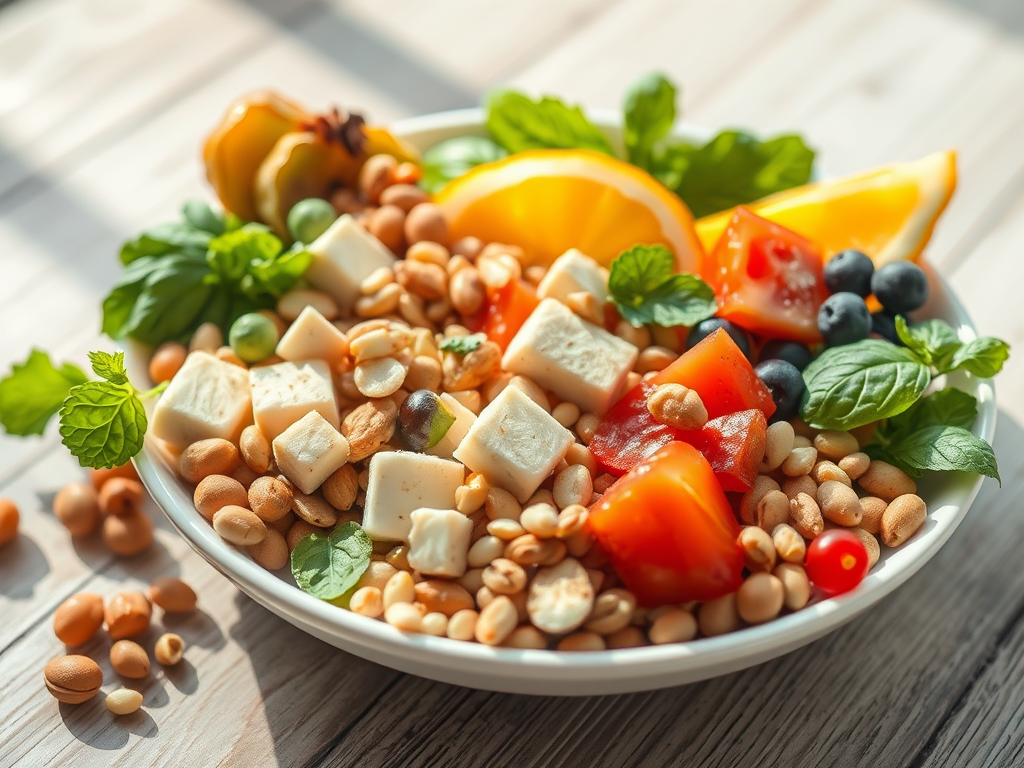
It is important to note that cooking preparation can also enhance the impact of these foods on the microbiome; for example, the cooking and then cooling of carbohydrates and starchy veggies such as carrots or swede can cause more resistant starch to form (about 25% of the starch content converts!). As resistant starch can then feed our microbiome, we can further enhance the impact of these already-fantastic-foods.
The benefits of diversity
Eating a wide variety of plant-based foods ensures that you are providing your gut microbiome with a diverse range of nutrients. This diversity helps to maintain a balanced ecosystem of microorganisms, which is more resilient to stressors and better equipped to perform its many functions. Not only this, but more diversity of plant-based food sources generally means a wider variety of nutrients which are beneficial to you and your health, and not just your microbiomes.
Practical tips for a diverse diet
- Eat the rainbow: Aim to include a variety of colours in your diet. Different coloured fruits and vegetables contain different nutrients and phytochemicals. As a general rule, having 1 portion of blue/ purple/ dark red fruits or veggies (such as cherries, blueberries or purple cabbage), 1 portion of dark green veggies (such as kale, spinach, pak choi or broccoli), 1 portion of orange veggies or fruits (such as oranges, carrots or sweet potatoes) and 1 portion of white veggies or fruits (such as onions or mushrooms) will go far in ensuring diversity. Of course, the more you can eat, the merrier, so add to this if you can!
- Rotate your foods: Don’t stick to the same foods every day. Try to incorporate new fruits, vegetables, grains, and legumes into your meals regularly. This is particularly relevant to carbohydrates, as many people stick to the same 2-3 carbs of pasta, rice and bread every day. Adding a potato (sweet or regular), quinoa, bulgur wheat or pearl barley can make a big difference, or even just switching your usual white carbs with wholemeal will go a long way.
- Experiment with recipes: Explore new recipes that include a variety of plant-based ingredients. This can make eating a diverse diet more enjoyable and exciting. My particular favourites are those from Asian cuisines, such as pho, stir fries and curries, as they are easy to add veggies to.
- Snack smart: Choose nuts, seeds, and fresh fruits as snacks instead of processed foods. These snacks provide valuable nutrients and fibre. Ideally, have at least one plant source in each snack if you can.
- Add herbs and spices: Herbs and spices also count towards helping support your microbiome. Utilise these in cooking where you can.
- Consider a veggie day: Having a day where you rely on vegan sources of protein, such as tofu, tempeh, beans, pulses or similar, can really help to boost the diversity in your diet and get fibre sources you wouldn’t usually eat.
- Stay hydrated: Drinking plenty of water helps to support digestion and the absorption of nutrients from the foods you eat.
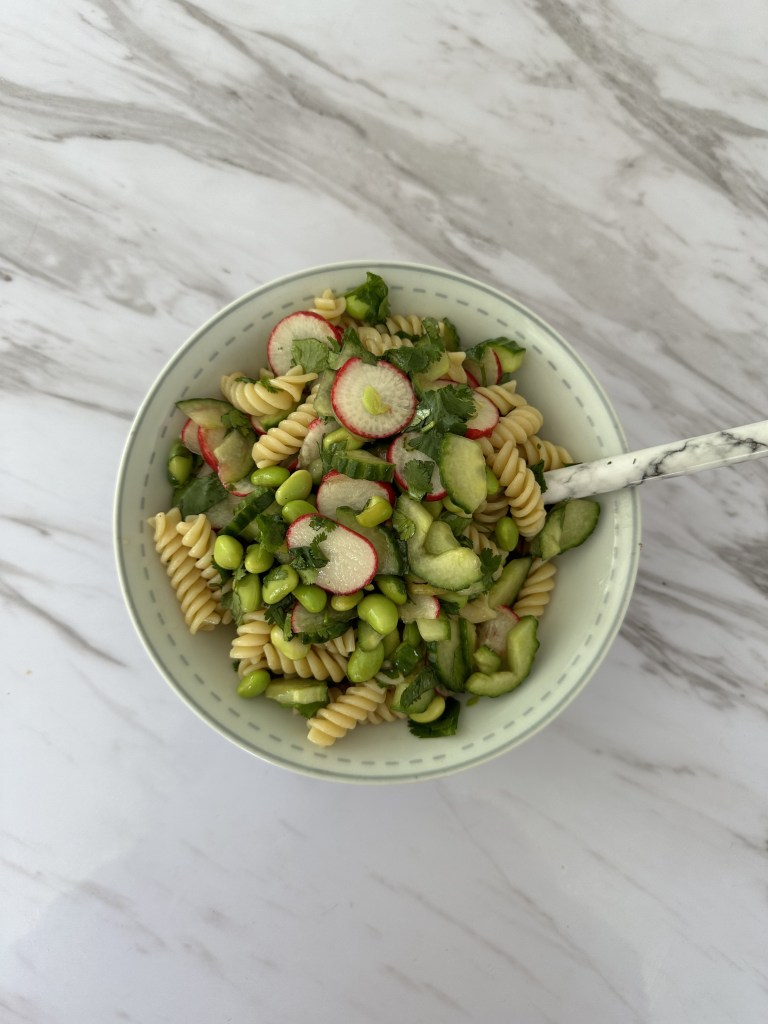
I’ve included some examples of meals which have high plant diversity below.



Overall, incorporating a variety of fruits, vegetables, and other plant sources into your diet is one of the best ways to support a healthy gut microbiome. A diverse microbiome is essential for optimal health, and the benefits extend far beyond just digestion. By embracing a plant-rich diet, you can nourish your gut bacteria, enhance your overall well-being, and enjoy a wide range of delicious and nutritious foods. So, next time you’re planning your meals, think variety and think plant-based – your gut will thank you!
 Diets Debunked