
When it comes to maintaining good health, few nutrients are as essential (yet as overlooked) as vitamin B1. Also known as thiamine, this humble vitamin plays a critical role in keeping our bodies functioning properly. But what exactly is vitamin B1, why does it matter, and what happens if we don’t get enough of it?
What is vitamin B1?
Vitamin B1, or thiamine, is one of the eight B vitamins that help our bodies convert food into energy. It’s a water-soluble vitamin, which means it isn’t stored in the body for long periods and needs to be replenished regularly through our diet. Because it isn’t stored within our body, unlike the fat soluble vitamins, poor intake even for a short amount of time can lead to deficiency.
Thiamine is crucial for the proper functioning of our nervous system, muscles, and heart. It also helps the body metabolise carbohydrates, turning them into the fuel we need to power through our day.
Why is vitamin B1 important?
Thiamine is the unsung hero of the vitamin world. Without it, our bodies struggle to perform even the most basic tasks, and so deficiency can be a critical issue. Thiamine helps us:
- Produce energy: Thiamine helps convert the food we eat into adenosine triphosphate (ATP), the energy currency of our cells. Without enough B1, you might feel fatigued or sluggish.
- Have a healthy nervous system: It plays a key role in maintaining a healthy nervous system, aiding in the transmission of nerve signals.
- Keep our heart working properly: Thiamine is essential for the proper functioning of the heart and cardiovascular system, and a lack of thiamine can lead to heart problems.
- Keep our brain functioning well: It supports cognitive health and is involved in the production of neurotransmitters, which are crucial for mood and memory.
What happens if you don’t get enough vitamin B1?
A deficiency in vitamin B1 can lead to serious health problems. One of the most well-known conditions caused by thiamine deficiency is beriberi.
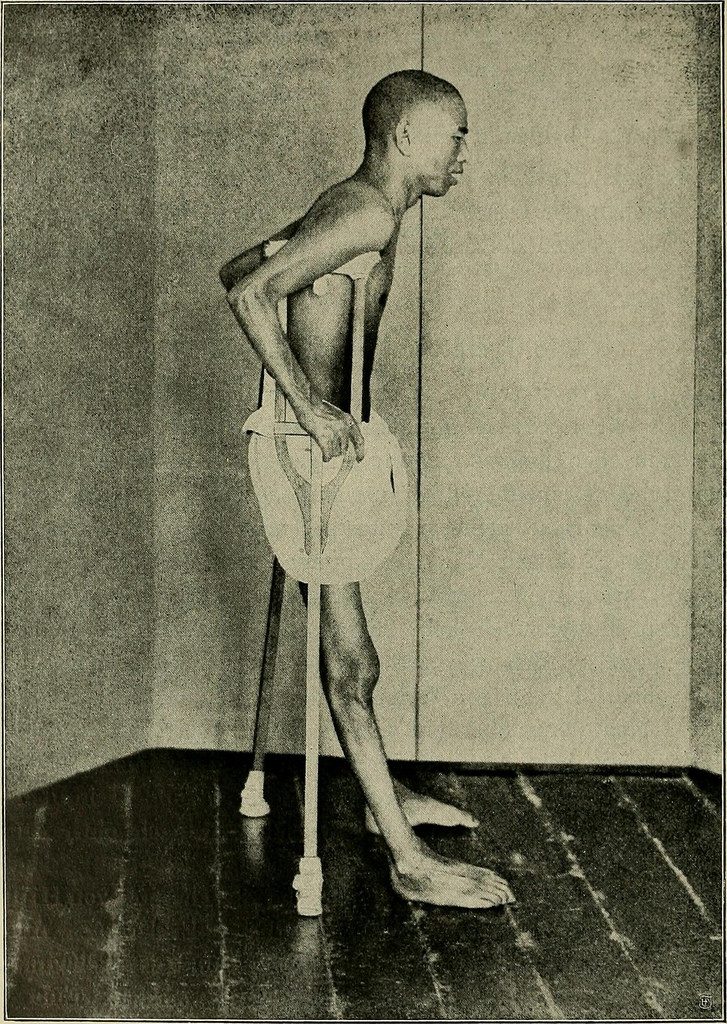
An image of a gentleman with beriberi (source: Wikipedia)

Beriberi has 2 main forms; dry and wet beriberi. Dry beriberi impacts the nervous system, whereas wet beriberi affects the heart and cardiovascular systems. There are technically 2 other forms; Infantile beriberi which affects the babies of malnourished mothers, and gastrointestinal beriberi, which impacts the digestive system, but wet and dry are the most commonly seen versions.
Dry beriberi
Dry beriberi causes damage to the nerves within the body. This leads to a variety of symptoms, including difficulty walking, tingling or numbness in the hands and feet (also known as peripheral neuropathy), loss of reflexes, pain, loss of muscle function, speech difficulties and involuntary eye movements. All of these are caused by the nerves that control the respective functions not functioning as they should.
Dry beriberi can also lead to a condition known as Wernickes-Korsakoff syndrome. This is essentially a condition which can cause a sudden and significant change in mental state, with confusion, irritability, amnesia, depression and psychosis being common symptoms. This is caused by lesions forming on the brain after thiamine has been depleted within the body for some time. It is most commonly seen in people who are alcoholics in the Western World, but can also be caused by malnourishment, poor absorption of B vitamins, or certain medications or diseases.
Wet beriberi
Wet beriberi is so-called as many people who develop it get oedema, or swelling in the legs and arms, caused by excess fluid collecting in the tissues. This occurs because wet beriberi causes heart issues, including a fast heart rate, enlarging of the blood vessels, enlargement of the heart, and increased jugular vein pressure.
It is important to note, that although we have talked about wet and dry beriberi as two separate entities, it is possible for people to present with both at the same time, but that is not required for a diagnosis of beriberi to be made.
The causes of beriberi
Historically, beriberi is seen in areas where famine is common, or where large proportions of the calories found within the diet do not contain adequate thiamine levels.
Across Asia in the 19th century, beriberi became increasingly more common due to the switch from traditional brown rice to polished (white) rice. Whilst white rice was seen as more palatable, the removal of the brown bran part of the rice led to a significant reduction in thiamine consumption, and, as the rest of the traditional diet was lacking in thiamine, beriberi became endemic.
Equally, areas of sub-Saharan Africa which rely on cassava root for the bulk of their calories have high incidences of beriberi, due to the lack of thiamine within the plant.
Perhaps the most egregious cases of beriberi are those in prisoner of war camps (PoW’s), or concentration camps within the Second World War, particularly those seen in Japan. A lack of nutrition meant that beriberi became almost inevitable, with some reports stating that almost 100% of prisoners would develop the condition eventually. The starvation and deliberate mistreatment of these individuals meant that beriberi was rife, leading to intense pain and suffering for those afflicted.
Where can you get vitamin B1?
The good news is that vitamin B1 is found in a wide variety of foods, making it relatively easy to incorporate into your diet and prevent the development of thiamine deficiency.
- Brown carbohydrates: Foods like brown rice, oats, and whole wheat bread are rich in thiamine; it’s the refining which removes the B1. That being said, many white flours are now fortified with thiamine to reduce deficiency risk.
- Legumes: Beans, lentils, and peas are not only packed with protein and fibre but also provide a good dose of thiamine.
- Nuts and seeds: Sunflower seeds, flaxseeds, and macadamia nuts are great snacks that boost your B1 intake.
- Pork: For meat-eaters, pork is one of the best sources of thiamine. A lean pork chop or tenderloin can go a long way in meeting your daily needs.
- Fortified foods: Many breakfast cereals and breads are fortified with thiamine, making them a convenient option.
- Vegetables: While not as high in thiamine as other sources, vegetables like asparagus, spinach, and Brussels sprouts still contribute to your daily intake.
How much do you need?
The recommended daily intake of thiamine varies by age, sex, and life stage. For most adults, the guideline is around 1.1 mg per day for women and 1.2 mg per day for men. Pregnant and breastfeeding women may need slightly more.
Vitamin B1 might not always be in the spotlight, but its role in our health is undeniable. From keeping our energy levels up to supporting our nervous system, thiamine is a nutrient we simply can’t afford to overlook. By eating a balanced diet rich in whole grains, legumes, nuts, and lean meats, you can easily meet your daily needs and keep your body running smoothly.
 Diets Debunked