
Avoidant Restrictive Food Intake Disorder (ARFID) is an eating disorder that has been significantly under nrecognised over the years. It was only first recognised as an eating disorder by the DSM-5 in 2013, and had to wait a further 9 years to be included within the ICD-11, meaning that people who are affected by ARFID have often flown under the radar, leaving them vunerable and without proper medical and nutritional intervention.
Many people with ARFID were therefore previously diagnosed with other eating disorders, meaning the care and support they received was not appropriate for their situation. If diagnosed in childhood, they may have received a diagnosis of “feeding disorder of infancy or early childhood”, which provided the most appropriate care of potential diagnoses, however if diagnosed as an older child or adult, many would be considered to have Eating Disorder Not Otherwise Specified (EDNOS, now known as OSFED). Either way, both potential diagnoses do not provide the structure, support and understanding of an ARFID diagnosis.
Whilst ARFID shares some similarities with other eating disorders, like anorexia nervosa, ARFID has distinct features that set it apart. People with ARFID do not restrict food intake due to body image concerns or an intense fear of weight gain. Instead, the disorder stems from a variety of other factors, including sensory aversions, fear or intense aversion to certain foods, or negative past experiences with eating.
What is ARFID?
ARFID is a type of eating disorder characterised by restrictive eating patterns that result in a significantly inadequate intake of nutrition. Unlike more widely recognised eating disorders like anorexia nervosa, which involve a preoccupation with body weight, image and control, ARFID may involve:
- Restricted food variety – A person with ARFID may only consume a small range of foods, often sticking to very specific textures, colours, or types of food. Whilst there isn’t a set number of foods that children will avoid that is required for diagnosis, those with severe ARFID may only eat less than 10 separate food items.
- Sensory aversions – Many people with ARFID experience heightened sensitivity to the smell, texture, or appearance of food. Certain foods may feel overwhelming to eat due to their sensory characteristics. This means that many people with ARFID will eat foods which are similar in smell, texture or colour, which can severely limit their nutritional intake.
- Significantly reduced intake of food- You don’t have to have a very limited diet variety to have ARFID. Some people can be diagnosed, not because their food variety is limited, but because they habitually have a significantly reduced intake of food overall, leading to malnutrition.
- Fear or aversion to certain foods – A past negative experience, such as choking or vomiting, can lead to food avoidance as a form of emotional protection. This often involves broad categories of foods being avoided, as they are associated with a similar taste, smell or texture of the food which created the negative experience.
- Avoidance of social eating – Individuals with ARFID may avoid eating in social situations due to anxiety or discomfort around food that they do not trust or like.
ARFID can affect individuals of all ages, and it must be understood that is is not picky eating. It significantly and severely affects the individuals physical health, due to malnutrition, social life, due to avoidance of any eating scenarios, and mental health.
How is ARFID diagnosed?
Diagnosing ARFID can be challenging, as it involves distinguishing it from other eating disorders, medical conditions, or developmental issues. The criteria for ARFID is The diagnosis typically requires the input of multiple healthcare professionals, including doctors, psychologists, and dietitians.
Diagnostic criteria:
The International Classification of Diseases 11th Edition (ICD-11) outlines specific criteria for diagnosing ARFID:
- Intake of insufficient quantity or variety of food, to meet adequate energy or nutritional requirements that has resulted in significant weight loss, clinically significant nutritional deficiencies, dependence on oral nutritional supplements or tube feeding, or has otherwise negatively affected the physical health of the individual.
- Significant impairment in personal, family, social, educational, occupational or other important areas of functioning (e.g., due to avoidance or distress related to participating in social experiences involving eating)
It is important to note that this criteria specifies that the restriction on nutritional intake is independent of any body image or control issues, which can be associated with other eating disorders such as anorexia, nor is it due to inadequate availability of food or being a manifestation of other medical conditions (such as severe allergies, gastroparesis or other conditions which significantly impact food intake).
It is also important to note that, whilst a diagnosis of Autism Spectrum Disorder is common in people with ARFID (approximately 55% of those diagnosed are considered autistic), it is not a requirement for the diagnosis.
What foods are commonly avoided by people with ARFID?
People with ARFID can avoid food for a variety of reasons, including sensory aversions, fear of choking, or previous negative experiences with certain foods. Common food avoidances in ARFID might include:
1. Textural sensitivities
- Foods with mixed textures, like soups, casseroles, or foods with crunchy and soft elements, can be overwhelming.
- Meats such as chicken, steak, or anything with a chewy, tough or gristly texture may be avoided.
- Vegetables and fruits, especially raw, because of their crunchiness or wetness, might be avoided. Fruits and vegetables may also be avoided because of their inconsistency; they can bruise, have different textures depending on their ripeness, may be sweeter or more sour, may be mushy or hard, and many more.
2. Sensory issues
- Pungent or spicy foods, such as garlic, onions, and spicy curries, are often rejected because the smells can trigger discomfort, or be associated with a previous negative food experiences.
- Food temperatures, like foods that are too hot or too cold, might be off-putting. Equally, foods which are more warm tend to have a stronger smell and taste.
- Certain colors or visual presentations of food might seem unappealing, like brightly colored vegetables or food with a “mushy” appearance.
3. Fear of choking or vomiting
- Difficult-to-swallow foods, such as large pieces of meat, dry foods, or sticky foods like peanut butter, can trigger fear.
- Foods that are associated with negative experiences—such as vomiting or choking episodes in the past—are often completely avoided.
4. Limited range of safe foods
Many individuals with ARFID will only eat a very limited set of foods, often comfort foods like plain pasta, bread, or crackers. For some, it can be as few as 10 or 15 different foods. What you may notice (although isn’t a guarantee), is that people with ARFID often stick to ultra-processed, beige foods as their safe foods. This is partially because the taste is plainer, but also because they are more predictable- for someone who is highly sensitive to even small sensory changes, processed food offers a stable food choice which will taste, look and smell exactly the same no matter how many times you buy it.
How is ARFID managed by doctors and dietitians?
Effective management of ARFID requires a multifaceted approach that includes medical supervision, psychological support, and nutritional intervention. Key aspects of treatment include:
1. Medical supervision
- In severe cases, ARFID can lead to malnutrition or failure to thrive, so it is critical to monitor physical health, including weight, growth, and blood biochemistry. This can help identify vitamin and mineral deficiencies early, so medical intervention can prevent the manifestation of more severe nutritional deficiencies, such as scurvy or rickets. .
- Treatment may involve oral nutritional supplements (which are milkshakes or juices which are calorie, protein and vitamin/mineral rich) or enteral feeding (tube feeding) if food intake is insufficient to meet nutritional needs. This generally will occur if the person is or has lost a significant amount of weight, is underweight, or if they are a child with failure to thrive.
- If ARFID co-occurs with other psychological conditions like anxiety or obsessive-compulsive disorder (OCD), treatment may involve therapy, such as Cognitive Behavioral Therapy (CBT).
2. Dietitian support
- We dietitians play a key role in ARFID treatment by assessing the individual’s nutritional needs, identifying deficiencies, and helping to create a balanced meal plan. They can advise on what nutritional supplements may be appropriate, and can give guidance on which nutrients are of concern and ways these can be added into the diet.
- We can work to increase food variety through gradual exposure to new foods and offer strategies to help cope with food aversions. This is known as food chaining- see below for more information.
- Dietitians can also guide family-based treatment, ensuring caregivers understand how to encourage healthy eating habits without pressuring the individual.
Food chaining: A gradual approach to expanding food choices
A key strategy in the treatment of ARFID is food chaining, which is a gradual, systematic way of introducing new foods by starting with foods that are similar to the ones the person already eats. The idea is to avoid overwhelming the person with completely unfamiliar foods and to build confidence around eating.
How food chaining works:
- Identify what is liked about the safe foods- is it the taste, the texture, the consistency of the food? Is it the smell or colour? Identifying the desired features of the foods which are eaten can help you identify the next food to try.
- Start with a food which is very similar to the safe food – For example, if the person only eats plain fusilli pasta and enjoys the taste and the colour of it, the next step might be introducing pasta with a different shape, such as penne or conchigle.
- Gradually alter the texture – Once the person is comfortable with one texture, you might progress to slightly softer or firmer options. This could involve either cooking the pasta for a minute longer or a minute shorter, roasting it after to make it crispy, or choosing a different style of pasta such as chickpea or wholegrain, which taste similar but have different textures.
- Incorporate new flavours slowly – This might involve adding a small amount of butter, cheese or tomato sauces. Start only with a very small amount of the sauce (barely enough to be noticed), and increase slowly over time.
- Repeated exposure – Offering new foods multiple times, without pressure, increases comfort and reduces fear.
Food chaining allows for a slow and controlled way to expand a person’s food repertoire without triggering anxiety or overwhelming them. This process is essential for improving nutritional intake and preventing long-term deficiencies.


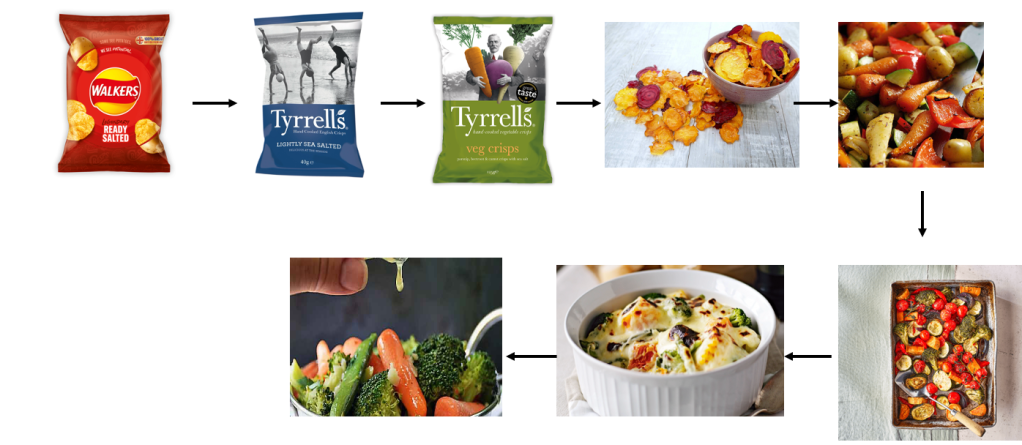
Above are some examples of food chaining which can be trialled. You may require more steps than this, although some may be comfortable with less.
It is very important that food chaining is done at a pace which is comfortable for the person. If they are distressed or are finding the change too hard, stop. Ultimately, pushing them further than they are comfortable can have the opposite effect of what you want to achieve; it can actually make safe foods feel less safe and reduce intake even further.
Other considerations in ARFID treatment
1. Psychological support
Therapy is often necessary to address the underlying psychological factors, such as anxiety, trauma, or obsessive-compulsive tendencies, that may be contributing to the restrictive eating behaviours.
Techniques like Cognitive Behavioural Therapy (CBT) and Exposure Therapy have been shown to be effective in addressing food fears and increasing food acceptance, although this is not suitable for all with ARFID.
2. Family involvement
Family-based interventions are crucial, especially for younger individuals. Educating families about ARFID and teaching them how to support a child’s treatment without pressure can improve long-term outcomes.
3. Long-term management
ARFID is a chronic condition for many, so long-term management strategies—such as continued monitoring by medical and dietetic professionals, periodic therapy sessions, and ongoing food exposure—are important for maintaining nutritional health and psychological well-being.
ARFID is a condition which can severely impact the lives of those who struggle with it. If you feel as though you may have ARFID, please speak to your GP. If you or a loved one have already been diagnosed with ARFID, and you are looking for nutritional support and guidance, please get in touch now as I would love to be able to help.
 Diets Debunked