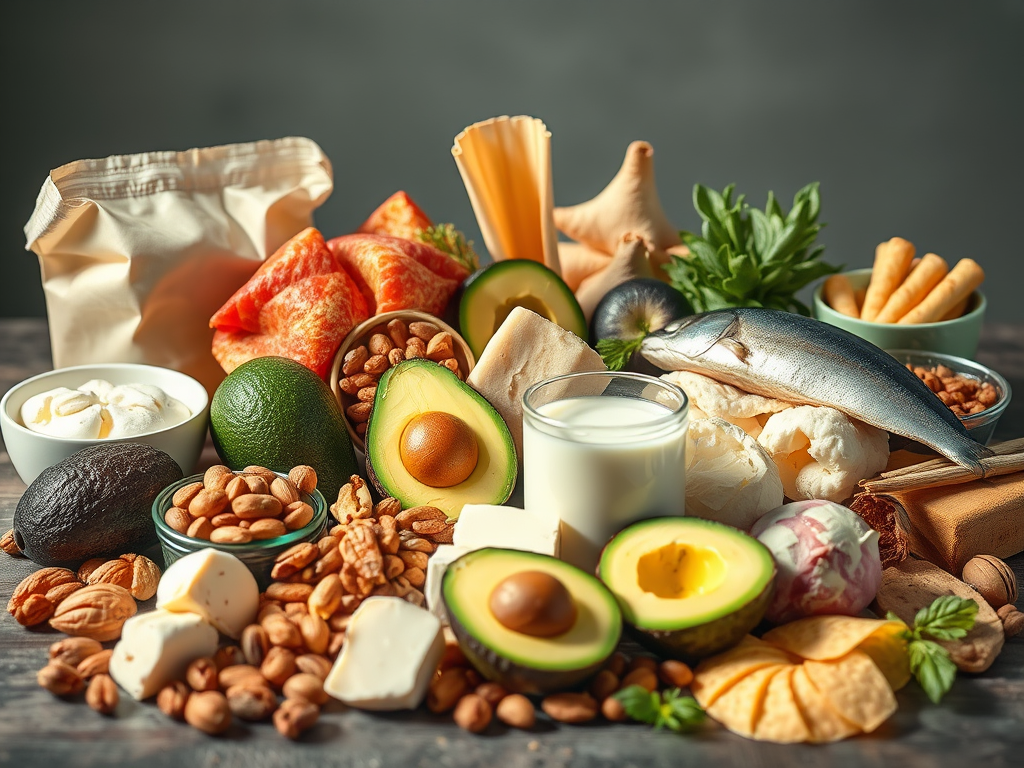
When it comes to eating a healthy diet, fats have historically been seen as a thing to be avoided. Popularised by the low-fat craze of the late 90’s, and compounded by the consistent warnings about fat consumption and it’s relation to heart disease, this has led to some people being scared of fat. While it’s true that some types of fat can have negative effects on health, many fats are essential for our overall well-being, and some can in fact improve our cardiovascular health and beyond. Fats play a key role in energy production, brain function, hormone regulation, and the absorption of fat-soluble vitamins like A, D, E, and K.
But which ones are the right ones, and why? Let’s talk about it.
1. Saturated Fats
Saturated fats are the fats which are most commonly over consumed. They are found in a wide variety of foods, such fatty cuts of meat, full-fat dairy products, butter, lard, and tropical oils like coconut oil and palm oil, but due to their high presence in cream, butter and lard, they are also abundant in foods such as cakes, biscuits, chocolates, and other processed foods such as pizzas, pies, burgers and many more. They are typically solid at room temperature; think coconut oil, tallow, lard, butter or ghee.
Health Impacts
- Negative Impact: High intake of saturated fats has been associated with increased levels of low-density lipoprotein cholesterol (LDL-C), also known as “bad cholesterol.” Elevated LDL cholesterol is a risk factor for cardiovascular disease, which can lead to angina, heart attacks, vascular dementia or stroke.
- Recent Research: Some studies suggest that the impact of saturated fat on cardiovascular disease may vary depending on the type of food from which the fat is sourced. For example, fats from dairy that contain protein, such as milk or yoghurt, does not appear to impact LDL-C levels, due to the milk fat globular membrane protein complex preventing the absorption of the saturated fat. Those dairy products which do not contain protein, such as cream and butter, do not have this benefit, and so will raise LDL-C similarly to lard and tallow. Equally, saturated fats from plant sources which are considered medium-chain triglycerides (MCT’s), such as those found in coconut oil, have a lower impact on LDL-C than other saturated fats, such as those found in lard, butter and ghee.
Sources of Saturated Fats
- Fatty cuts of red meat (beef, lamb, pork)
- Poultry with skin
- Full-fat dairy products (cheese, butter, cream)
- Coconut oil, palm oil
- Processed foods (e.g., pastries, baked goods, and certain snack foods). Note; these foods do not have to be ultra-processed to have a negative impact on your cardiovascular disease. For example, a pie or cake made at home would not be considered UPF, but will still impact on your LDL-C levels.
How to Incorporate Moderately
You don’t need to eliminate saturated fats completely, but you should limit them. Instead of butter, opt for healthier fats like olive oil or avocado. If you need to still have the properties of a saturated fat, such as in baking, using coconut oil can be a slightly better alternative. You can still enjoy lean cuts of meat, but try to balance your fat sources with plant-based fats.
2. Unsaturated Fats
Unsaturated fats are usually liquid at room temperature and are considered the “healthy” fats. There are two main types of unsaturated fats: monounsaturated fats and polyunsaturated fats.
Monounsaturated Fats
Monounsaturated fats have one double bond in their chemical structure and are known for their heart-healthy properties. These fats can help lower LDL cholesterol levels while maintaining high-density lipoprotein (HDL), or “good” cholesterol.
Health Impacts
- Positive Impact: Studies show that replacing saturated fats with monounsaturated fats can reduce the risk of cardiovascular diseases. They are also anti-inflammatory and may improve insulin sensitivity, helping manage blood sugar levels.
Sources of Monounsaturated Fats
- Olive oil (especially extra virgin)
- Avocados
- Nuts (for example, almonds, cashews, hazelnuts)
- Seeds (for example, pumpkin, sesame)
Note: seed and nut butters offer similar levels of monounsaturated fats, and so as long as they do not contain any other additions, can be a good alternative. Just bear in mind that the calorie density and absorption of calories in nut butters is higher than in whole nuts, however.
How to Incorporate
Monounsaturated fats are easy to incorporate into meals. Use olive oil as a base for dressings, drizzle it over roasted vegetables, or spread avocado on whole-grain toast.
Polyunsaturated Fats
Polyunsaturated fats contain two or more double bonds in their chemical structure. This category includes omega-3 and omega-6 fatty acids, both of which are essential fats, meaning our bodies can’t produce them on their own, so we must obtain them through our diet.
Health Impacts
- Omega-3 Fatty Acids (found in polyunsaturated fats): Omega-3s work in 4 different ways to protect your cardiovascular health; they reduce your LDL-C, they can reduce the risk of clots forming within your blood, they can help regulate the electrical activity in your heart to prevent heart arrhythmias, and they can stabilise any already formed plaques in your arteries to prevent them breaking off. Not only this, these fats are also associated with reducing inflammation, improving cognition, and are therefore all-round nutritional powerhouses!
- Omega-6 Fatty Acids (found in polyunsaturated fats): There is a common misconception, brought about by research in the 90’s/00’s, that the omega 3:6 ratio is of utmost importance for cardiovascular health. This has pushed the narrative that seed oils (such as flax, sesame and rapeseed) are bad for cardiovascular disease risk. More recent research has identified that this has less of an impact as originally thought, and that these oils can be cardioprotective, especially when eaten in place of saturated or trans fats. Other research which suggests otherwise tends not to consider the quality of the food eaten and where the omega-6 comes from; for example, a diet high in omega-6 could be full of fried food, or it could be full of lots of fresh food which is cooked in seed oils. There is an obvious distinction between the two; if you dive deeper, you see that the seed oil usage at home, where food is not deep fried and oils are not kept at high temperatures for prolonged periods, is not associated with CVD. Therefore, you do not need to fear these oils.
Sources of Polyunsaturated Fats
- Omega-3 sources:
- Fatty fish (salmon, mackerel, sardines, trout)
- Flaxseeds, chia seeds, walnuts
- Algal oil (a plant-based source of omega-3s)
- Omega-6 sources:
- Vegetable oils (rapeseed, sesame and flaxseed oils)
- Nuts and seeds
How to Incorporate
Aim to have 1-2 portions of oily fish per week. If you can’t (due to an allergy or not liking fish), consider a vegan EPA + DHA supplement, alongside a regular consumption of ALA sources such as walnuts, flax and chia.
Swap saturated fats used in cooking for rapeseed oil, and add nuts and seeds as a snack to your diet. You should aim to avoid rapeseed oil or other seed oils when used at high temperatures for an extended period of time (for example, in fast food or fried foods)
3. Trans Fats
Trans fats originally were found in trace amounts in animal products, such as meat and dairy. In the 70’s, the process of partial hydrogenation was created, which allowed liquid oils such as rapeseed to be made solid. Unbeknownst to us at the time, this process made the foods approximately 25% by weight trans fat. These fats are considered the worst for our cardiovascular health.
Health Impacts
- Negative Impact: Trans fats are the most harmful type of fat for heart health. They significantly increase LDL cholesterol while lowering HDL cholesterol even in small quantities, thus significantly increasing the risk of cardiovascular disease.
Sources of Trans Fats
- Processed snack foods (chips, crackers, cookies)
- Baked goods containing partially-hydrogenated oils (pastries, cakes, muffins)
- Fried fast foods
- Packaged or processed foods that contain partially hydrogenated oils
How to Avoid
It must be noted that processing has changed since the 70’s to mitigate the impact of partial hydrogenation on cardiovascular disease. Oils are now only permitted to be fully hydrogenated, which means margarines are no longer full of trans fats, and that the levels of trans fats in these butter alternatives is now actually lower than in butter. This being said, the consumption of these should still be minimised where possible.
Trans fats are still formed when oils are heated at high temperatures for a long time, as is the case with deep-frying foods like they do in restaurants and fast food places. Therefore, these foods should be minimised as much as possible.
Conclusion: Balancing Fats in Your Diet
Fats are an essential part of a healthy diet, but the type of fat you consume matters. Focus on incorporating healthy fats like olive oils, avocado, nuts and seeds and oily fish, and reducing the amount of fats obtained from butter, fatty meat cuts and fried food is essential for optimal cardiovascular health.
By making informed choices and paying attention to your fat sources, you can create a diet that supports heart health, brain function, and overall well-being.
 Diets Debunked