
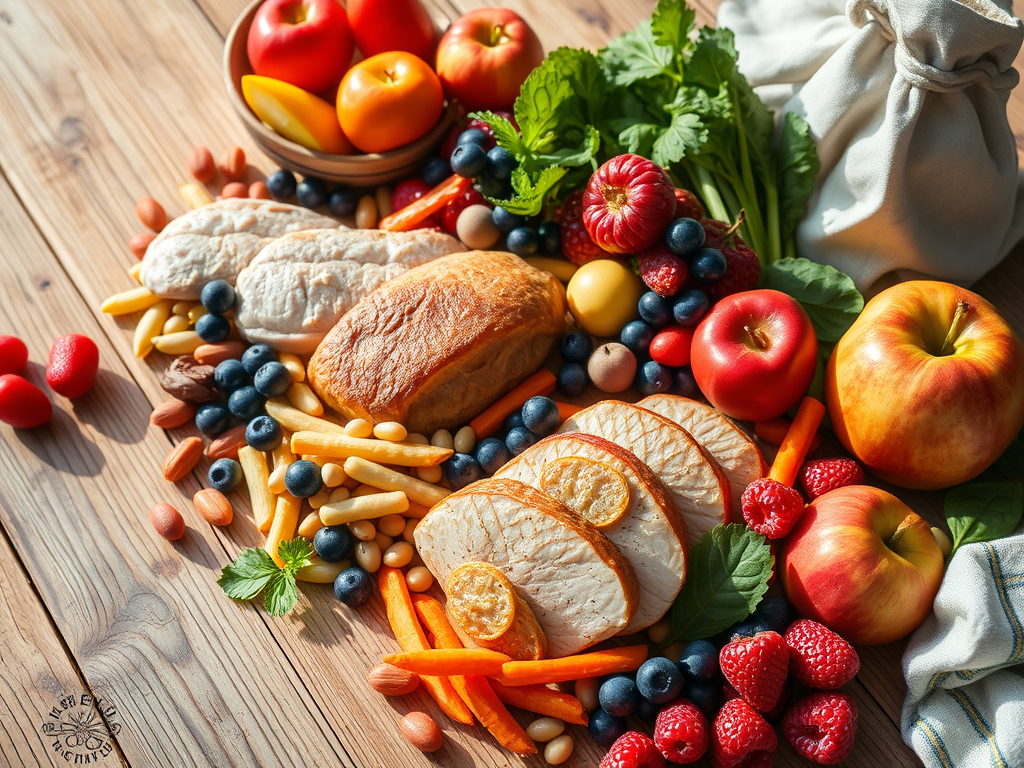
Managing Type 2 diabetes is an ongoing process that involves more than just medication. One of the most effective ways to manage blood sugar levels is through proper nutrition. While there is no one-size-fits-all approach, there are several dietary strategies that can help improve blood sugar control, reduce complications, and promote overall health. Today, we will explore the best dietary practices for managing Type 2 diabetes.
1. Focus on Low Glycaemic Index Foods
The glycaemic index (GI) measures how quickly a food raises blood sugar levels. Foods with a high GI, such as white bread, sugary snacks, and processed cereals, can cause rapid spikes in blood sugar. On the other hand, low-GI foods are digested and absorbed more slowly, resulting in more stable blood sugar levels.
Low-GI foods to include:
- Whole grains like quinoa, barley, and steel-cut oats
- Non-starchy vegetables (e.g., leafy greens, broccoli, and cauliflower)
- Legumes such as lentils, chickpeas, and beans
- Most fruits, especially berries, apples, and pears
By prioritising low-GI foods, you can help prevent the sharp blood sugar fluctuations that often occur after eating high-GI foods.
2. Incorporate Fibre-Rich Foods
Dietary fibre is crucial for people with Type 2 diabetes because it slows the absorption of sugar into the bloodstream, helping to stabilise blood sugar levels. Fibre also improves digestive health and helps with weight management, which can be particularly important for people with Type 2 diabetes, and research done over the past few years has suggested fibre is also important in managing your microbiome, which has far-reaching impacts across your whole body!
Fibre-rich foods to add to your diet:
- Vegetables, especially non-starchy ones (e.g., spinach, kale, broccoli, cabbage and peppers)
- Whole grains like brown rice, whole wheat bread, and oats (note; be careful of the portion sizes!)
- Legumes (lentils, beans, and peas. This can also include vegetarian proteins such as tofu and tempeh)
- Nuts and seeds (flaxseed, chia seeds and walnuts are particularly beneficial)
- Fruits such as berries, apples, kiwis and pears (with skin)
Aim to include at least 25–30 grams of fibre in your daily diet. Be mindful to increase fibre intake gradually to prevent digestive discomfort.
3. Watch Carbohydrate Intake and Timing
Carbohydrates have the most direct impact on blood sugar levels. Managing carb intake and eating them at regular intervals throughout the day can help maintain better blood sugar control.
Tips for managing carbohydrates:
- Opt for complex carbs over simple sugars. Complex carbohydrates, like whole grains, sweet potatoes, and legumes, are digested more slowly and result in a more gradual increase in blood sugar. If you do have potatoes, ensure to eat them with the skins on to have an even lesser impact on your blood sugats.
- Be mindful of portion sizes. Using tools like carbohydrate counting or the plate method (half your plate with vegetables, one-quarter with lean protein, and one-quarter with carbs) can help keep portions in check. You can also use the fist method; the carbohydrate portion should be no bigger than the size of your fist. If it is- it’s too big!
- Spread carb intake evenly throughout the day. Avoid large amounts of carbohydrates in a single meal, as this can lead to spikes in blood sugar.
Remember that it’s not just about the quantity of carbohydrates, but also the quality. Focus on whole, unprocessed carb sources rather than refined or sugary options.
4. Resistant Starch: The Power of Cooking and Cooling Carbohydrates
Resistant starch is a type of carbohydrate that resists digestion in the small intestine and has been shown to have benefits for blood sugar control. When you cook and then cool certain carbohydrate-rich foods, such as potatoes, pasta, and rice, the starches undergo a process called retrogradation, which increases the amount of resistant starch they contain.
The benefit of resistant starch is that it doesn’t cause a sharp increase in blood sugar levels. Instead, it acts more like fibre, slowing the digestion and absorption of carbohydrates, and even promoting gut health by feeding beneficial gut bacteria.
Another benefit to resistant starch is, because you will be absorbing approximately 25% less carbohydrates, you will also be absorbing approximately 25% less calories in comparison to traditional pasta, rice and potatoes. The more you know!
Examples of foods that can contain resistant starch:
- Cooked and cooled potatoes (e.g., potato salad)
- Cooked and cooled pasta or rice
- Frozen bread
- Unripe bananas (which are higher in resistant starch before they ripen)
- Legumes, such as lentils, chickpeas, and beans
To reap the benefits of resistant starch, consider cooking and cooling starchy foods before eating them, and try incorporating these into your diet to improve blood sugar management.
5. Carbohydrate Pairing: Combine Carbs with Healthy Fats, Fibre, and Protein
The way you combine carbohydrates with other macronutrients can play a big role in controlling blood sugar levels. Pairing carbohydrates with healthy fats, protein, and fibre can slow the digestion of carbs, leading to a more gradual rise in blood sugar. This can help you avoid the blood sugar spikes that often follow high-carb meals.
Examples of good carbohydrate pairings:
- Whole grain toast with avocado (healthy fats) and a boiled egg (protein)
- A small portion of fruit with a handful of nuts (healthy fats and protein)
- A salad with chickpeas (carbs), olive oil (fat), and a source of protein like grilled chicken or tofu
- Oats (carbs) with chia seeds (fibre), almond butter (healthy fat), and a few berries (antioxidants)
Incorporating these combinations into your meals helps balance your blood sugar and keeps you feeling fuller for longer, which can also aid in weight management.
6. Correct Portion Sizes for Carbohydrates
Carbohydrate portion control is essential for managing blood sugar levels. Eating too many carbs in one meal can lead to blood sugar spikes, so it’s important to understand appropriate portion sizes and how they impact blood sugar.
Guidelines for correct carbohydrate portions:
This might look like:
- One slice of whole grain bread
- 60g (uncooked weight) rice, pasta, or potatoes
- One medium-sized fruit (e.g., an apple or banana)
- 90g of cooked beans or lentils
A good rule of thumb is to aim for around 45–60 grams of carbs per meal, depending on your individual needs and activity level. However, be sure to adjust portion sizes based on your blood sugar responses and work with a healthcare provider or dietitian to tailor your carbohydrate intake to your specific goals.
7. Include Lean Proteins
Protein is an essential nutrient that helps regulate blood sugar levels by slowing the digestion of carbohydrates. Including lean protein sources in your meals can help stabilise your blood sugar and support muscle health.
Lean protein options:
- Skinless poultry (chicken or turkey)
- Fish (especially fatty fish like salmon, which is high in omega-3 fatty acids)
- Plant-based proteins like tofu, tempeh, and edamame
- Eggs and low-fat dairy products
Aim to include a source of lean protein with each meal to keep you feeling full and to maintain better blood sugar levels.
8. Incorporate Healthy Fats
While fats don’t directly affect blood sugar levels, they can impact insulin sensitivity and overall metabolic health. Healthy fats, particularly those found in plant-based sources, can help reduce inflammation and improve heart health—both of which are important for managing Type 2 diabetes.
Healthy fats to focus on:
- Avocados
- Olive oil and other plant-based oils (e.g., canola, flaxseed, and walnut oils)
- Nuts and seeds (e.g., almonds, walnuts, chia seeds, and flaxseeds)
- Fatty fish (e.g., salmon, mackerel, and sardines)
Aim to replace saturated fats and trans fats (found in processed and fried foods) with healthier unsaturated fats to support overall health and blood sugar control.
9. Stay Hydrated with Water and Unsweetened Beverages
Drinking enough water throughout the day is essential for overall health and can help manage blood sugar levels. Dehydration can lead to higher blood sugar concentrations, so staying hydrated is crucial. Avoid sugary drinks, as they can cause rapid spikes in blood sugar.
Healthy beverage options include:
- Water (the best option)
- Unsweetened tea (green, black, or herbal)
- Coffee (without added sugar or excessive cream)
- Sparkling water with a splash of lemon or lime
Steer clear of sugary sodas, fruit juices, and energy drinks, as these can contribute to unwanted spikes in blood sugar.
10. Mindful Eating and Portion Control
Mindful eating is the practice of paying attention to what you eat, how much you eat, and when you eat. By slowing down and savouring your meals, you can prevent overeating and make more conscious food choices. Portion control is also key, as even healthy foods can cause blood sugar fluctuations if consumed in large quantities.
Tips for mindful eating:
- Eat slowly and focus on the taste and texture of your food.
- Avoid distractions like TV or smartphones during meals.
- Use smaller plates and bowls to help control portions.
- Listen to your body’s hunger and fullness cues to avoid overeating.
By practising mindful eating, you’ll be more in tune with your body and better equipped to make food choices that support your blood sugar management goals.
11. Plan Meals and Snacks in Advance
Meal planning is essential for people with Type 2 diabetes. Having a plan for your meals and snacks reduces the temptation to grab processed or high-sugar foods when hunger strikes. Preparing meals in advance also helps you control portion sizes and ensures you have healthy options readily available.
Meal planning tips:
- Plan your meals around protein, healthy fats, and fibre-rich carbohydrates.
- Keep healthy snacks (like nuts, seeds, and Greek yoghurt) on hand to curb hunger between meals.
It can be very difficult to eliminate carbohydrates completely from your diet when you get a diagnosis of Type 2 diabetes. With these tips, you should be able to still eat a moderate amount of carbohydrates, without the impact on your blood sugars.
 Diets Debunked